Heat Tools That Won't Fry Fine Hair
Fine hair is the most fragile hair type and the one most damaged by heat styling. It straightens quickly — which tempts you to use the highest setting — and it scorches just as quickly. The result is hair that's straight but brittle, with split ends that travel up the shaft.
This guide is for anyone with fine hair who wants a heat tool that works without wrecking it. We've picked three straighteners at different price points and with different approaches to temperature control. We haven't tested them on our own hair. What we've done is check what the brands state about temperature range, plate material and heat-up time, what buyers with fine hair report, and the fine print that decides whether a heat tool is safe for fragile hair.
Some links on this page earn us a commission. It doesn't change what we recommend. How that works.
Our take
Pick | Tool | Price | Temperature | Best for |
Best overall | ghd Original Styler | ~$200 | 185°C fixed | Fine hair that straightens easily |
Best for control | Cloud Nine The Original Iron | ~$200–$230 | Variable, from 100°C | Fine hair that needs lower heat |
Best value | Nüme Mini Styler | ~$150 | Variable | Fine hair, short hair and touch-ups |
What to look for in a heat tool for fine hair
Variable temperature is the single most important feature. Fine hair straightens at 120–150°C; there's no need to go to 200°C. A tool with a variable temperature lets you use the lowest heat that works, which is the single biggest thing you can do to protect fine hair. A fixed-temperature tool at 185°C is fine for some fine hair but too hot for hair that's already damaged.
Plate material affects how much heat reaches the hair. Ceramic and tourmaline plates distribute heat evenly, which means you can use a lower temperature and still get a smooth result. Cheap metal plates create hot spots that scorch the hair in one pass.
Plate size matters for fine hair. Narrow plates (about 1 inch) give more control on fine hair and short styles. Wide plates are for thick, long hair and are harder to use precisely on fine hair. A mini styler is useful for short hair and fringes.
Heat-up time is a safety feature, not a convenience. A tool that heats up fast can also overheat fast. A tool that heats gradually and holds a steady temperature is safer for fine hair than one that spikes.
The most common mistake: using the highest heat because it's faster. Fine hair straightens at lower temperatures; going hotter just damages it. Use the lowest setting that works, and always use a heat protectant.
The 3 picks
cghd Original Styler
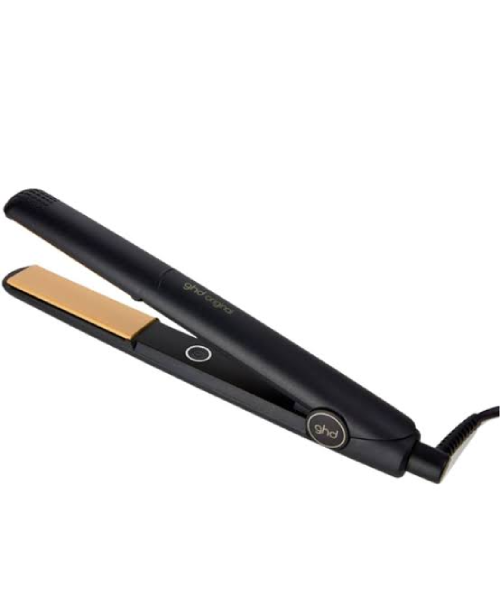
Price and retailer: Around $200 at ghd and retailers VERIFY. Prices change, so check before ordering.
What it is: ghd's classic straightener with ceramic plates and a fixed temperature of 185°C, which the brand describes as the optimum temperature for styling without damage. It has a rounded barrel for curling as well as straightening and heats up in around 30 seconds.
Why it made the list: The ghd Original is the tool most people mean when they say "a good straightener". The 185°C fixed temperature is designed to be hot enough to style in one pass without scorching — which is the theory, at least. For fine hair that straightens easily, one pass at 185°C does less damage than three passes at a lower temperature. It's the most straightforward pick here.
What buyers say: ghd stylers get consistent praise for performance and longevity, with many buyers reporting years of use. The recurring note for fine hair is that 185°C is hot — if your hair is damaged or very fine, you may prefer a variable-temperature tool. The fixed temperature is the main criticism.
Fine print: Fixed 185°C. Ceramic plates. Rounded barrel for curling. Check ghd's warranty terms. Use a heat protectant every time — the fixed temperature leaves no margin for error on fragile hair.
Good:
· One pass at 185°C is gentler than multiple passes
· Rounded barrel does curls as well as straight
· Long-standing reliability
Weigh up:
· Fixed temperature — no option to go lower
· Too hot for very damaged or very fine hair
Cloud Nine The Original Iron
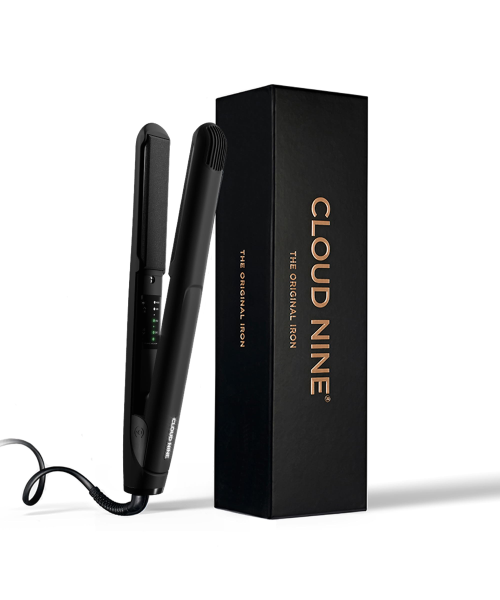
Price and retailer: Around $200–$230 at Cloud Nine VERIFY. Prices change, so check before ordering.
What it is: A straightener with variable temperature from 100°C to 200°C, ceramic plates and a rounded barrel. Cloud Nine was founded by the original ghd team, and the tools are designed with adjustable heat for different hair types.
Why it made the list: This is the pick for fine hair that needs lower heat. The variable temperature lets you start at 120–140°C, which is enough for fine hair and much gentler than a fixed 185°C. The plates are ceramic and the barrel is rounded, so it does curls as well as straightens. For fragile hair, the ability to go lower is the most important feature.
What buyers say: Cloud Nine irons get strong feedback for temperature control and for the smooth finish on fine hair. Buyers describe the variable heat as the reason they switched from ghd. The recurring note is that the tools are expensive, and the temperature dial takes a moment to get used to.
Fine print: Variable temperature from 100°C to 200°C. Ceramic plates. Check Cloud Nine's warranty terms. Use the lowest setting that works for your hair — for most fine hair, that's 120–150°C.
Good:
· Variable temperature down to 100°C
· Ceramic plates distribute heat evenly
· Rounded barrel for curls
Weigh up:
· Expensive
· Temperature dial takes getting used to
Nüme Mini Styler
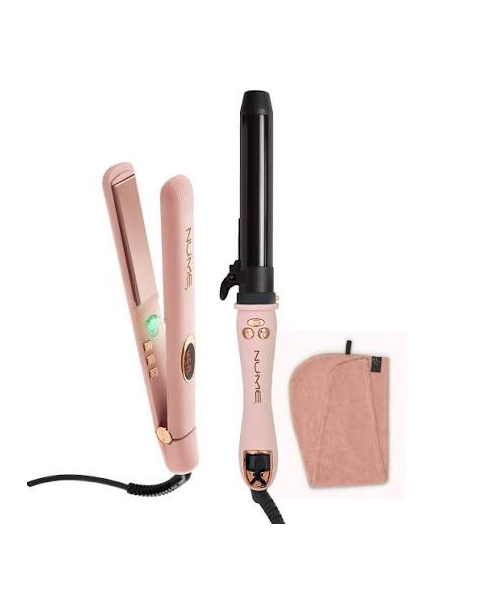
Price and retailer: Around $150 at Nüme VERIFY. Prices change, so check before ordering.
What it is: A mini straightener with narrow plates, variable temperature and a compact body. Nüme is a newer brand that has built a following for styling tools that are easier to use on short hair and fringes.
Why it made the list: This is the pick for short fine hair, fringes and touch-ups. The narrow plates give more control than a full-size tool, and the variable temperature means you can use it at a lower setting. It's the cheapest of the three, and it's the one that works for hair that a full-size straightener is too big for.
What buyers say: Nüme's tools get positive feedback for ease of use and for the mini format. Buyers describe the narrow plates as easier to control on short hair and fringes. The recurring note is that the mini is not designed for long or thick hair — it's a touch-up tool, not a full styling tool.
Fine print: Variable temperature. Narrow plates. Check Nüme's warranty terms. The mini format is designed for short hair, fringes and touch-ups — it's slower on long hair.
Good:
· Narrow plates give control on fine, short hair
· Variable temperature
· The cheapest here
Weigh up:
· Not designed for long or thick hair
· Slower on longer styles
How to straighten fine hair without damaging it
Start with dry hair. Straightening damp hair boils the water inside the shaft, which causes breakage. Hair should be completely dry before you use a straightener.
Always use a heat protectant. A spray or cream designed for heat styling creates a barrier between the plates and the hair. This is not optional for fine hair — it's the single biggest protection you have.
Use the lowest heat that works. Fine hair straightens at 120–150°C. Start low and only go up if the hair isn't straightening in one pass. Multiple passes at high heat are what cause damage.
One pass, not five. Move the straightener down the hair in one smooth pass. Repeated passes over the same section are what scorch fine hair. If it's not straight after one pass, the temperature is too low or the section is too thick.
Don't straighten every day. Fine hair needs recovery time. Alternate with air-drying or heat-free styles to give the hair a break.
Who should skip these
If your hair is very damaged or over-processed, none of these is a substitute for a repair routine — get a trim and use a bond-building treatment before you use heat again. If you have thick or long hair, the Nüme mini is too small — choose the ghd or Cloud Nine full-size. And if you want a tool that also curls well, the ghd and Cloud Nine both have rounded barrels; the mini is for straightening only.
Questions
What temperature should you use on fine hair?
120–150°C. Fine hair straightens at a lower temperature than thick hair, and going higher just causes damage. Start at 120°C and only increase if the hair isn't straightening in one pass.
Is ghd safe for fine hair?
It's safe if your hair is healthy and you use a heat protectant. The 185°C fixed temperature is hot for fine hair, so one pass is essential. If your hair is damaged or very fragile, a variable-temperature tool like Cloud Nine is the safer choice.
How often can you straighten fine hair?
Ideally not every day. Fine hair needs recovery time between heat styling. Alternate with air-drying or heat-free styles, and use a heat protectant every time.
Do cheap straighteners damage hair more?
Usually yes. Cheap metal plates create hot spots that scorch hair, and cheap tools often have inconsistent temperature. A ceramic-plated tool with variable temperature is safer for fine hair than a cheap one.
What's the best heat protectant for fine hair?
A lightweight spray rather than a heavy cream, so it doesn't weigh the hair down. Apply it to damp hair before blow-drying and again before straightening if you're using high heat.
Can you use a straightener to curl fine hair?
Yes, if the tool has a rounded barrel. The ghd and Cloud Nine both work for curls. Use a lower temperature and hold the hair for less time than you would on thick hair.
The bottom line
If your fine hair straightens easily and you want a reliable tool, choose the ghd Original. If you want temperature control so you can use lower heat, the Cloud Nine Original Iron is the safer choice for fragile hair. And if you have short fine hair or a fringe, the Nüme Mini Styler gives you the control a full-size tool doesn't.
Use the lowest heat that works, one pass only, and always use a heat protectant. That's how fine hair stays straight without getting fried.