Moisturisers for Dry Winter Skin That Don't Feel Greasy
Dry winter skin is a specific problem. Central heating pulls moisture out of the air, cold wind strips the skin barrier, and the moisturiser that worked in October suddenly isn't enough. The usual fix — a heavier cream — often leaves you shiny by lunchtime, which is its own problem if you wear makeup or sit in meetings.
This guide is for anyone whose skin feels tight, flaky or rough once the heating goes on, and who wants a moisturiser that actually hydrates without the grease. We've picked three at very different price points and with different approaches: a cheap barrier cream, a mid-price French pharmacy-style option and an even cheaper basic. We haven't tested them on our own skin. What we've done is check what the brands state about ingredients, what the formulas are designed to do, what buyers report, and the price per ml — which is the number that tells you whether a moisturiser is good value.
Some links on this page earn us a commission. It doesn't change what we recommend. How that works.
Our take
Pick | Moisturiser | Size | Price | Price per ml | Best for |
Best overall | CeraVe Moisturising Cream | 454g | ~$17 | ~$0.04/ml | Dry skin that needs barrier support |
Best for daytime | Typology Crème Hydratante | 50ml | ~$35 | ~$0.70/ml | A lighter finish under makeup |
Best value | The Ordinary Natural Moisturizing Factors + HA | 100ml | ~$9 | ~$0.09/ml | A simple, cheap daily moisturiser |
What to look for in a moisturiser for dry winter skin
Humectants draw water in; emollients and occlusives keep it there. Glycerin, hyaluronic acid and urea are humectants — they pull water into the skin. Ceramides, squalane, shea butter and fatty alcohols are emollients and occlusives — they soften the surface and slow water loss. A good winter moisturiser has both, not just one.
Ceramides are the ingredient to look for if your barrier is compromised. Ceramides are lipids that occur naturally in skin; dry, irritated winter skin often has fewer of them. CeraVe's whole proposition is ceramide-rich formulas, which is why it's the one dermatologists tend to recommend for dry, reactive skin.
"Non-greasy" is a finish claim, not an ingredient claim. A cream can be rich and still absorb without shine. The way to judge is the base: a cream built on glycerin and lighter emollients tends to sink in faster than one built on heavy occlusives like petrolatum or lanolin. If you wear makeup, look for the lighter end.
Price per ml is the honest comparison. A 50ml moisturiser at $35 costs $0.70 per ml; a 454g tub at $17 costs about $0.04 per ml. That's a huge difference, and it's why the "expensive" option isn't automatically the better one. Check the size before you judge the price.
The most common mistake: layering a heavy cream over a serum that already contains occlusives, then wondering why the finish is greasy. If you use a rich serum, choose a lighter moisturiser on top.
The 3 picks
CeraVe Moisturising Cream
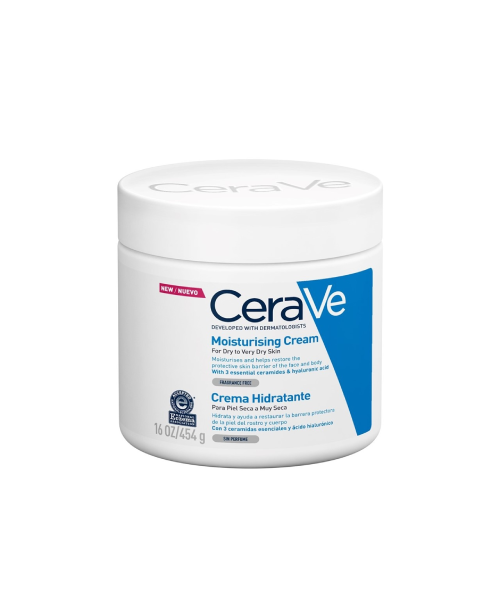
Price and retailer: Around $17 for 454g at drugstores and Amazon. Prices change, so check before ordering.
What it is: A thick cream built around three ceramides, hyaluronic acid and petrolatum, designed to support the skin barrier and hold moisture in. It's fragrance-free and comes in a large tub, which is part of why the price per ml is so low.
Why it made the list: This is the most effective dry-skin moisturiser here for the money, and it's the one most often recommended for winter barrier problems. The ceramide and petrolatum combination is genuinely occlusive — it slows water loss rather than just adding water — which is what dry winter skin needs. At roughly $0.04 per ml, it costs a fraction of the mid-price option.
What buyers say: CeraVe's cream gets consistent feedback for calming dry, tight skin and for being fragrance-free, which matters if your skin reacts to scent. The recurring complaint is texture — it's thick and can feel heavy if you apply too much, and some buyers find it too rich for daytime under makeup. Most use it at night or on very dry patches.
Fine print: Fragrance-free. Contains petrolatum and ceramides. Thick texture — apply a smaller amount than you think you need, and it absorbs better on slightly damp skin. Available in most pharmacies and on Amazon; prices and sizes vary between retailers, so compare the price per ml.
Good:
· Ceramides plus petrolatum genuinely slow water loss
· Fragrance-free, suitable for reactive skin
· Exceptional price per ml
Weigh up:
· Thick texture can feel heavy under makeup
· Too rich for oily or combination skin
Typology Crème Hydratante
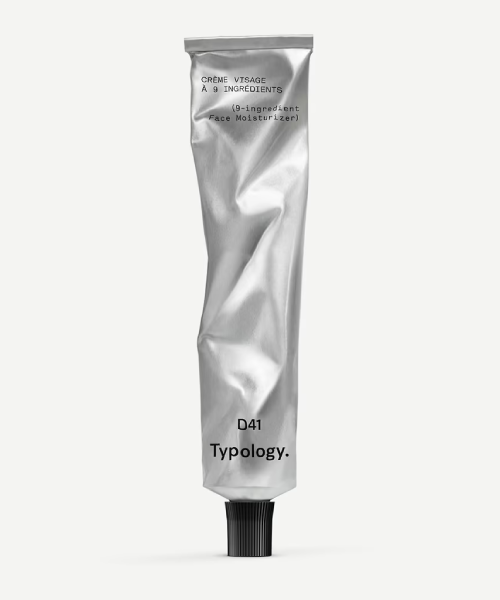
Price and retailer: Around $35 for 50ml at Typology. Prices change, so check before ordering.
What it is: A lightweight moisturising cream from the French minimalist skincare brand Typology, designed to hydrate without a heavy finish. Typology formulates around a short ingredient list, and this cream is built for daily use under makeup.
Why it made the list: This is the pick if the CeraVe is too rich for daytime. The texture is lighter, it absorbs faster, and it sits well under sunscreen and makeup, which matters if you're applying it in the morning before work. At about $0.70 per ml it's the most expensive per ml here, but you're paying for a finish that the cheaper options don't have.
What buyers say: Typology's moisturisers generally get positive feedback for texture and for being non-greasy, which is the claim most relevant here. The recurring note is that the brand's minimalist formulas suit people who want a short ingredient list, but they're not designed for very compromised skin — if your barrier is badly irritated, a ceramide cream is the better choice.
Fine print: Check the exact ingredients and size on the product page. Typology ships from France; check delivery times and any customs charges for US orders. Patch test first if your skin is reactive.
Good:
· Light finish that works under makeup
· Absorbs quickly
· Short ingredient list
Weigh up:
· The highest price per ml here
· Not designed for badly compromised skin
The Ordinary Natural Moisturizing Factors + HA
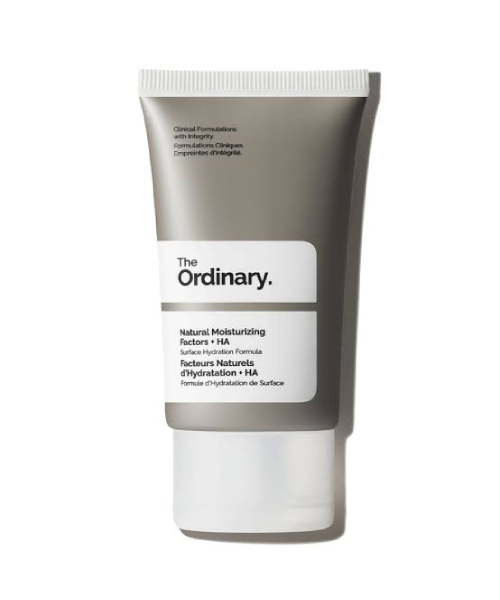
Price and retailer: Around $9 for 100ml at The Ordinary and retailers. Prices change, so check before ordering.
What it is: A surface moisturiser built on natural moisturising factors (amino acids, fatty acids, triglycerides) plus hyaluronic acid. It's designed to support the skin's surface hydration rather than act as a barrier cream, and it has a light, almost lotion-like texture.
Why it made the list: This is the cheapest way to get a decent daily moisturiser, and at around $0.09 per ml it's excellent value. It's not as occlusive as the CeraVe, so it's better for daytime or for skin that's dry rather than compromised. If your skin is tight but not irritated, this is enough.
What buyers say: The Ordinary's NMF gets consistent praise for being a simple, effective moisturiser at a low price. The recurring note is that it's not rich enough for very dry skin in deep winter — many buyers layer it under a heavier cream, or switch to CeraVe when the weather turns. It's also occasionally reported to pill under makeup if applied too generously.
Fine print: Check the current formula and size on the product page — The Ordinary reformulates occasionally. Patch test first. Layer it under a heavier cream if your skin is very dry.
Good:
· Around $0.09 per ml
· Light texture that layers well
· Simple, short ingredient list
Weigh up:
· Not occlusive enough for very dry winter skin
· Can pill under makeup if over-applied
How to use a winter moisturiser in a routine
Apply to damp skin. Moisturiser works better on slightly damp skin because humectants have water to draw in. Apply straight after cleansing, or after a hydrating serum, rather than to completely dry skin.
Layer, don't overload. If your skin is very dry, use a light moisturiser first (like The Ordinary), then a richer cream on top (like CeraVe) at night. One thick layer often feels greasier than two thin ones.
Don't skip sunscreen. Winter sun and central heating both affect skin, and UV is present year-round. If your moisturiser doesn't contain SPF, use a separate sunscreen in the morning — that's a different product from a moisturiser and shouldn't be skipped in winter.
Patch test first. Apply a small amount to your inner forearm and wait 24–48 hours before using a new product on your face. For persistent dryness, flaking or irritation that doesn't improve with moisturising, see a dermatologist.
Who should skip these
If your skin is oily or combination, the CeraVe cream may be too rich — the lighter Typology or The Ordinary is a better fit. If your barrier is badly compromised and stinging, see a dermatologist rather than relying on a cosmetic moisturiser. And if you want a single product that includes SPF, none of these does — you'll need a separate sunscreen.
Questions
What is the best moisturiser for very dry winter skin?
A ceramide-rich cream like CeraVe Moisturising Cream, because it slows water loss rather than just adding water. Apply it to damp skin, and layer a lighter moisturiser underneath if your skin is very dry.
Why does my moisturiser feel greasy?
Usually because it's built on heavy occlusives and you're applying too much, or because you're layering it over a rich serum. Use a smaller amount, apply to damp skin, and choose a lighter formula for daytime.
How much moisturiser should you use?
Roughly a pea-sized amount for the whole face, or a little more for very dry skin. More product doesn't mean more hydration — it just sits on the surface and feels greasy.
Is expensive moisturiser better than cheap moisturiser?
Not automatically. CeraVe at about $0.04 per ml is more effective for dry winter skin than many creams ten times the price. The ingredient list and the finish matter more than the price.
Can you use body moisturiser on your face?
Sometimes, but not always. CeraVe's cream is thick but designed for face and body; some body creams contain fragrances or heavier occlusives that can clog facial skin. If in doubt, use a face-specific product.
Does moisturiser stop working if you use it every day?
No — that's a myth. Skin doesn't become "addicted" to moisturiser. What can happen is that a product stops being enough when the weather changes, which is a sign to switch to a richer formula rather than a sign the product has stopped working.
The bottom line
If your skin is dry and reactive, choose CeraVe Moisturising Cream — it's the most effective barrier cream here and costs a fraction per ml of the others. If you want a lighter daytime option that sits well under makeup, Typology Crème Hydratante is the one. And if you want a simple, cheap daily moisturiser, The Ordinary NMF + HA is the value pick.
Buy by price per ml and ingredient list, not by the marketing on the jar. That's how you find a moisturiser that actually works for winter.