Ayurvedic Skincare: 3 Products and What's Actually in Them
Ayurvedic skincare is one of the oldest beauty traditions in the world, and one of the most poorly explained in Western marketing. Brands use the word "Ayurvedic" to sell everything from genuine herbal formulations to a cream with a pinch of turmeric and a lot of fragrance.
This guide is for anyone curious about Ayurvedic skincare who wants to know what's actually in the products rather than what the marketing says. We've picked three products from brands that practise in the tradition, and we've broken down the key ingredients. We haven't tested them on our own skin. What we've done is check what the brands state about ingredients, what the traditional use of each ingredient is, and what the evidence says — plus the caveats that matter before you buy.
Some links on this page earn us a commission. It doesn't change what we recommend. How that works.
Our take
Pick | Product | Price | Key ingredients | Best for |
Best overall | The Ayurveda Experience Kumkumadi Facial Serum | ~$40–$50 | Saffron, manjistha, liquorice | Brightening and evening tone |
Best for dry skin | Forest Essentials Facial Ubtan | ~$20–$30 | Turmeric, sandalwood, chickpea flour | Cleansing and exfoliating |
Best for hair | Kama Ayurveda Bringadi Hair Oil | ~$25–$35 | Bhringraj, amla, indigo | Scalp and hair conditioning |
What "Ayurvedic" actually means
Ayurveda is a traditional system of medicine, not a marketing category. It originated in India and includes diet, lifestyle and herbal treatments. Ayurvedic skincare uses herbs, oils and minerals in formulations based on traditional texts. Some of the ingredients have been studied scientifically; many haven't.
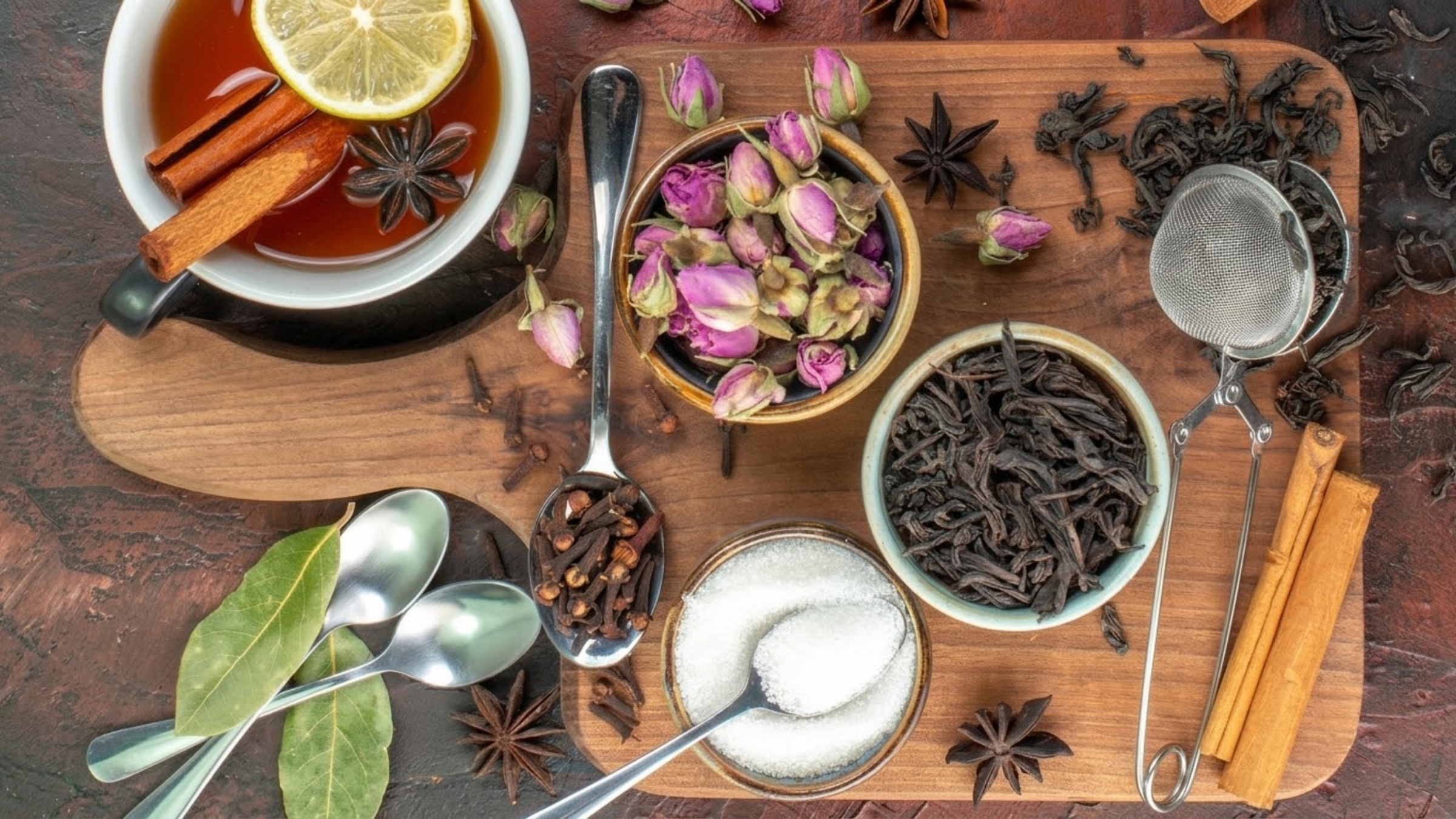
The ingredients are the useful part. Turmeric, saffron, sandalwood, neem, amla and bhringraj are the herbs most commonly used in Ayurvedic skincare. Each has a traditional use — turmeric for brightening, sandalwood for soothing, bhringraj for hair — and varying levels of scientific evidence. The tradition is a guide to what's in a product, not proof that it works.
"Ayurvedic" doesn't mean natural or safe. Some Ayurvedic products contain heavy metals, particularly traditional medicines rather than cosmetics. Check the ingredients list and buy from brands that publish full formulations and third-party testing.
The most common mistake: buying an "Ayurvedic" product because of the label rather than the ingredients. A cream with a tiny amount of turmeric and a lot of fragrance is not Ayurvedic skincare in any meaningful sense. Read the ingredient list.
The 3 picks
The Ayurveda Experience Kumkumadi Facial Serum
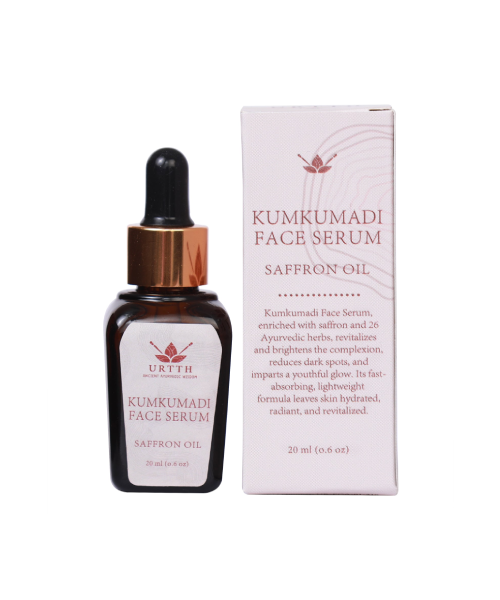
Price and retailer: Around $40–$50 at The Ayurveda Experience VERIFY. Prices change, so check before ordering.
What it is: A facial serum based on kumkumadi, a traditional Ayurvedic formulation that includes saffron, manjistha, liquorice and other herbs in a base of sesame or other oils. It's designed to brighten the skin and even out tone.
Why it made the list: This is the most recognisable Ayurvedic skincare product in the West, and it's built around a specific traditional formulation rather than a token herb. Saffron and liquorice are the ingredients with the most evidence for brightening; manjistha is traditionally used for evening tone. It's an oil serum, so it suits dry and normal skin more than oily.
What buyers say: The Ayurveda Experience's kumkumadi serum gets positive feedback for brightening and for the quality of the ingredients. The recurring note is the oil base — it's rich, so oily skin may find it heavy. Some buyers report the scent is strong.
Fine print: Oil-based serum. Check the full ingredient list on the product page. Patch test first. Not suitable for oily or acne-prone skin without checking.
Good:
· Built around a traditional formulation
· Contains ingredients with some evidence for brightening
· Rich oil base for dry skin
Weigh up:
· Oil base is heavy for oily skin
· Strong scent
Forest Essentials Facial Ubtan
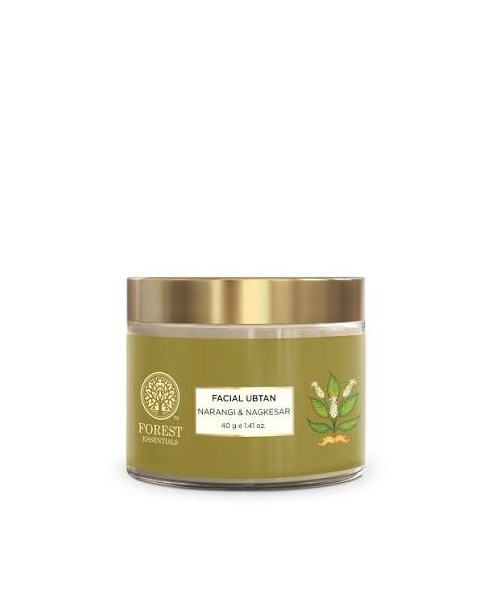
Price and retailer: Around $20–$30 at Forest Essentials VERIFY. Prices change, so check before ordering.
What it is: A powder ubtan — a traditional Ayurvedic cleansing and exfoliating paste — made with turmeric, sandalwood, chickpea flour and other herbs. It's mixed with water or milk to form a paste and used as a cleanser or mask.
Why it made the list: An ubtan is the most traditional Ayurvedic skincare product here, and it's genuinely different from a Western cleanser. The chickpea flour provides gentle physical exfoliation, the turmeric has traditional brightening use, and the sandalwood is soothing. It's also cheap for the number of uses.
What buyers say: Forest Essentials' ubtans get positive feedback for the natural ingredients and the glow after use. The recurring note is the mess — it's a powder you mix yourself, which is less convenient than a ready-made product. Some buyers find the physical exfoliation too abrasive for sensitive skin.
Fine print: Powder formula — mix with water or milk before use. Check the ingredient list on the product page. Patch test first. Not suitable for sensitive skin if the exfoliation is too abrasive.
Good:
· Traditional formulation with recognisable ingredients
· Gentle physical exfoliation
· Cheap per use
Weigh up:
· Messy to mix
· Physical exfoliation can be abrasive
Kama Ayurveda Bringadi Hair Oil
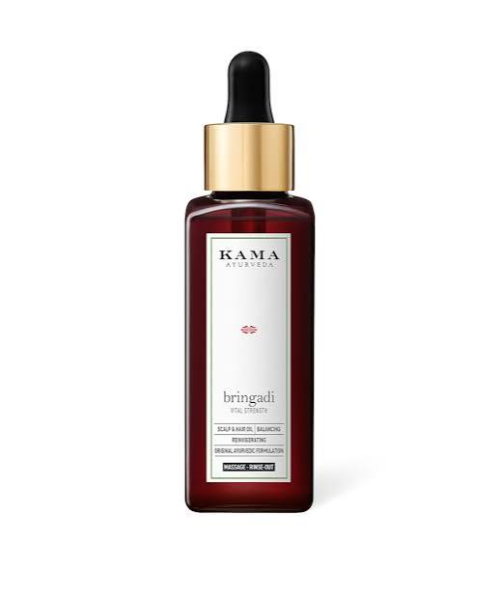
Price and retailer: Around $25–$35 at Kama Ayurveda VERIFY. Prices change, so check before ordering.
What it is: A hair oil based on a traditional Ayurvedic formulation with bhringraj, amla and indigo, in a base of sesame or coconut oil. It's designed for scalp conditioning and hair strength.
Why it made the list: Bringadi is one of the most established Ayurvedic hair oils, and the ingredients have traditional uses for hair — bhringraj for growth, amla for strength, indigo for conditioning. It's a genuine traditional formulation rather than a scented oil with a token herb.
What buyers say: Kama Ayurveda's bringadi oil gets positive feedback for scalp conditioning and for reducing dryness. The recurring note is the scent — it's herbal and strong, not a cosmetic fragrance. Some buyers find it heavy on fine hair.
Fine print: Oil-based. Check the full ingredient list on the product page. Patch test first. Not suitable for fine hair if the oil is too heavy.
Good:
· Traditional formulation with established ingredients
· Conditions the scalp
· Contains herbs with traditional hair uses
Weigh up:
· Strong herbal scent
· Heavy for fine hair
How to use Ayurvedic skincare sensibly
Read the ingredient list. The herbs should be near the top, not at the bottom after fragrance. If the product is mostly water and fragrance with a token herb, it's not Ayurvedic skincare in any meaningful sense.
Patch test first. Ayurvedic products contain herbs and oils that can cause reactions. Apply a small amount to your inner forearm and wait 24–48 hours.
Don't replace medical treatment. Ayurvedic skincare can support the skin, but it's not a treatment for acne, eczema or other skin conditions. For persistent concerns, see a dermatologist.
Check for heavy metals. Some traditional Ayurvedic products, particularly medicines, have been found to contain heavy metals. Buy from brands that publish third-party testing and full ingredient lists.
Who should skip these
If you have oily or acne-prone skin, the oil-based products (the kumkumadi serum and the hair oil) may be too heavy. If you have sensitive skin, the ubtan's physical exfoliation may be too abrasive. And if you want products with clinical evidence behind them, none of these is a substitute for a dermatologist-prescribed routine.
Questions
What is Ayurvedic skincare?
Ayurvedic skincare uses herbs, oils and minerals in formulations based on Ayurveda, a traditional Indian system of medicine. Common ingredients include turmeric, saffron, sandalwood, neem and bhringraj.
Does Ayurvedic skincare work?
Some ingredients have scientific evidence — turmeric for brightening, for example — and some have only traditional use. The tradition is a guide to what's in a product, not proof that it works. Patch test and see how your skin responds.
Is Ayurvedic skincare safe?
Generally yes, for cosmetic products from reputable brands. Some traditional Ayurvedic medicines have been found to contain heavy metals, so buy cosmetics from brands that publish full ingredient lists and third-party testing.
What is kumkumadi oil?
A traditional Ayurvedic facial oil made with saffron, manjistha, liquorice and other herbs. It's used for brightening and evening skin tone. It's an oil, so it suits dry skin more than oily.
What is an ubtan?
A traditional Ayurvedic cleansing paste made from powdered herbs and grains, such as turmeric, sandalwood and chickpea flour. It's mixed with water or milk and used as a cleanser or mask.
Can you use Ayurvedic skincare with retinol or acids?
It's best to introduce one at a time and patch test. Some Ayurvedic products contain oils that can increase sensitivity to acids or retinol, so space them out and see how your skin responds.
The bottom line
If you want a brightening product built around a traditional formulation, choose The Ayurveda Experience Kumkumadi Serum. If you want a traditional cleanser, Forest Essentials Facial Ubtan is the one. And if you want a traditional hair oil, Kama Ayurveda Bringadi is the option.
Read the ingredient list, patch test, and don't replace medical treatment with tradition. That's how Ayurvedic skincare is best used.