

Sleep Better in Winter: 3 Products Worth Trying
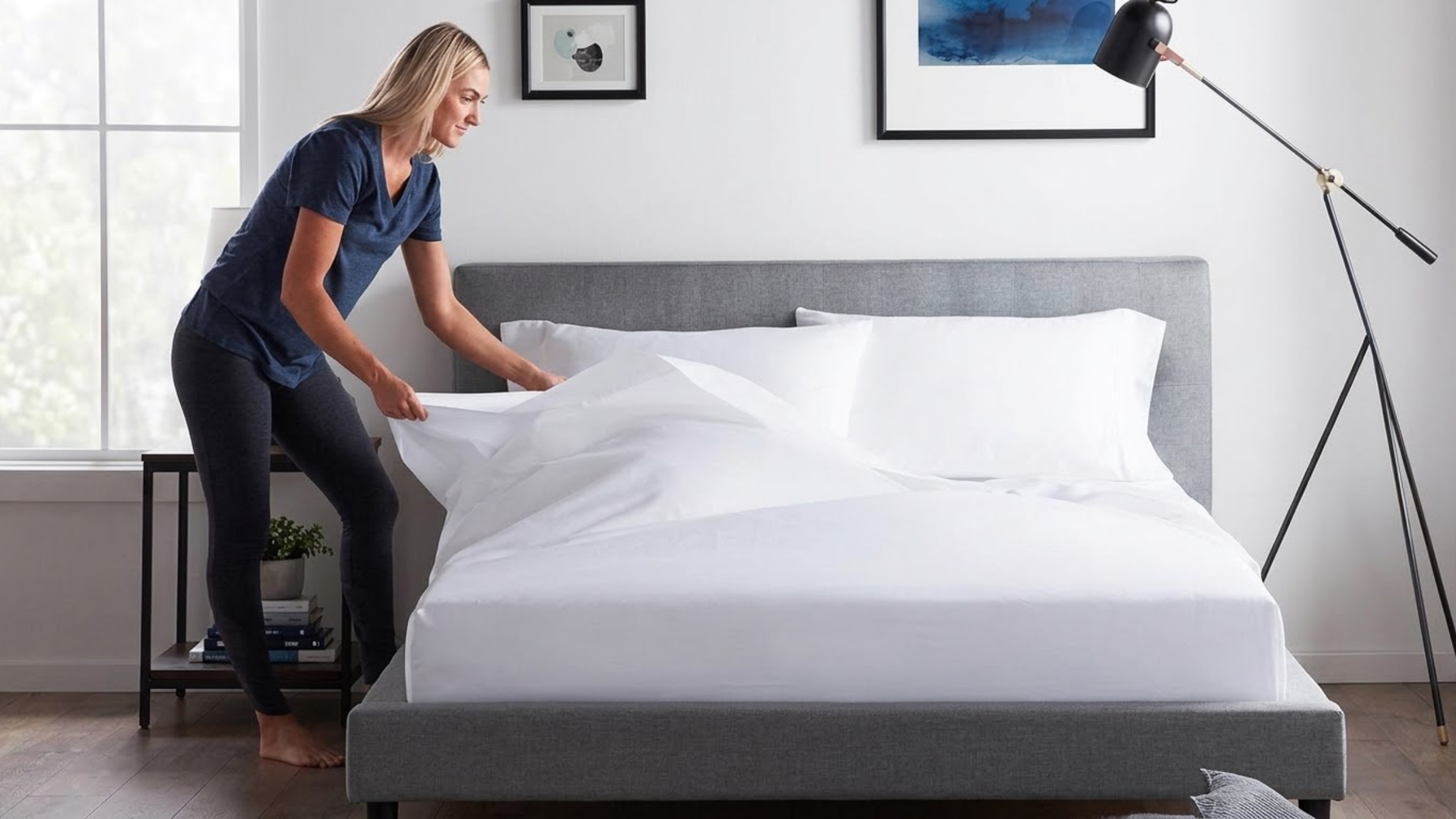
Winter sleep has its own problems. The heating dries the air, the nights are longer, and the cold makes it harder to get out of bed in the morning. Some of that is unavoidable. Some of it can be fixed with a few products that make sleep more comfortable.
This guide is for anyone who sleeps worse in winter — too cold, too dry, or waking up with a dry throat and a stiff neck. We've picked three products at different price points and for different problems. We haven't tested them. What we've done is check what the brands state about materials and care, what buyers report, and the fine print that decides whether a sleep product is worth the money.
Some links on this page earn us a commission. It doesn't change what we recommend. How that works.
Our take
Pick | Product | Price | Best for | Care |
Best overall | Silk pillowcase | ~$50–$90 | Hair and skin, temperature regulation | Hand wash or gentle cycle |
Best for warmth | Weighted blanket | ~$60–$120 | Anxiety and restlessness | Check the cover — often machine washable |
Best for light | Sleep mask | ~$20–$50 | Blocking light in winter mornings | Hand wash |
What to look for in a winter sleep product
Temperature regulation matters more than warmth. A bedroom that's too warm is as bad for sleep as one that's too cold. The ideal is cool and well-ventilated, with bedding that regulates temperature rather than trapping heat. Silk and breathable fabrics help; heavy synthetic fabrics don't.
Materials matter for skin and hair. A cotton pillowcase absorbs moisture and can leave hair frizzy; silk reduces friction and helps hair and skin retain moisture. If you wake up with dry skin or frizzy hair, a silk pillowcase is the fix.
Weight and pressure help some people, not all. A weighted blanket can reduce anxiety and restlessness for some people, but it's not recommended for everyone — check the guidance if you have sleep apnoea or breathing issues.
The most common mistake: buying a heavier duvet rather than fixing the room temperature. A cooler room with a breathable duvet is better for sleep than a warm room with a heavy one.
The 3 products
Silk Pillowcase
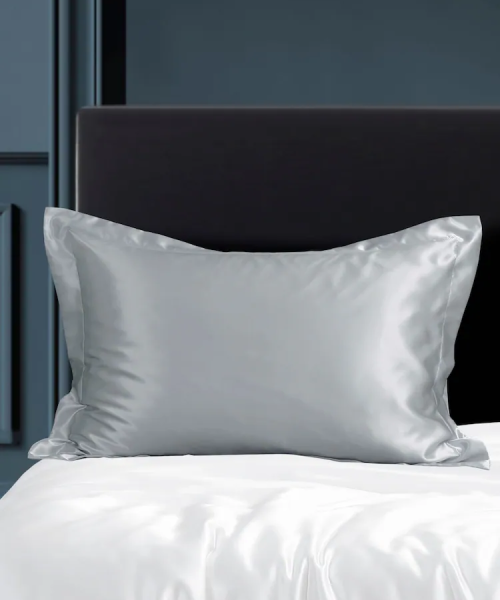
Price and retailer: Around $50–$90 at silk bedding brands and retailers. Prices change, so check before ordering.
What it is: A pillowcase made from 100% mulberry silk, usually 19–22 momme (a measure of silk weight and quality). Silk reduces friction on hair and skin and absorbs less moisture than cotton.
Why it made the list: A silk pillowcase is the simplest fix for dry skin and frizzy hair in winter. It reduces friction, which means less breakage and fewer creases, and it doesn't absorb moisture the way cotton does. It's the product most people notice a difference from after a few nights.
What buyers say: Silk pillowcases get consistent praise for hair and skin benefits. The recurring note is care — they need hand washing or a gentle cycle, and cheap "silk" pillowcases are often satin (polyester) rather than real silk. Check the momme and the fibre content.
Fine print: 100% mulberry silk, 19–22 momme. Hand wash or gentle cycle. Check the fibre content — satin is not silk. Check the returns policy.
Good:
· Reduces friction on hair and skin
· Doesn't absorb moisture
· Noticeable difference after a few nights
Weigh up:
· Needs careful washing
· Cheap versions are satin, not silk
Weighted Blanket
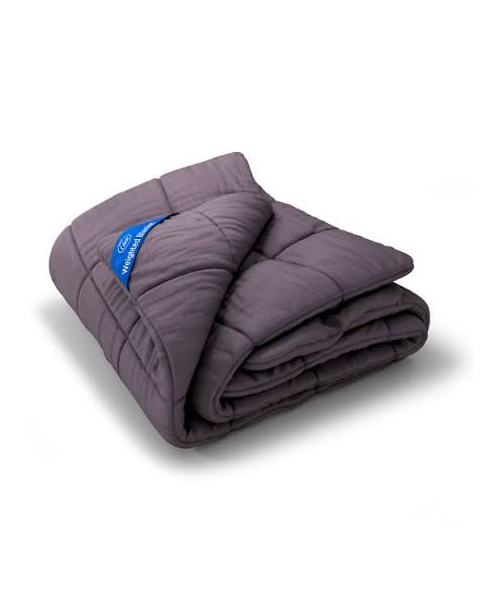
Price and retailer: Around $60–$120 at bedding brands and retailers. Prices change, so check before ordering.
What it is: A blanket filled with glass beads or plastic pellets, designed to weigh 10% of your body weight. The weight provides gentle pressure, which some people find calming.
Why it made the list: A weighted blanket is the product for anyone who finds it hard to settle in winter. The gentle pressure can reduce restlessness and help you fall asleep, and the weight adds warmth without a heavy duvet. It's not for everyone, but for some people it's transformative.
What buyers say: Weighted blankets get mixed feedback — many buyers report better sleep and less anxiety, but some find them too hot or too restrictive. The recurring note is weight — choose 10% of your body weight, not heavier.
Fine print: Choose 10% of your body weight. Check whether the cover is removable and washable. Not recommended for children under three or anyone with sleep apnoea. Check the brand's guidance.
Good:
· Can reduce restlessness
· Adds warmth without a heavy duvet
· Good for anxiety
Weigh up:
· Not for everyone
· Can be too hot for some
Sleep Mask
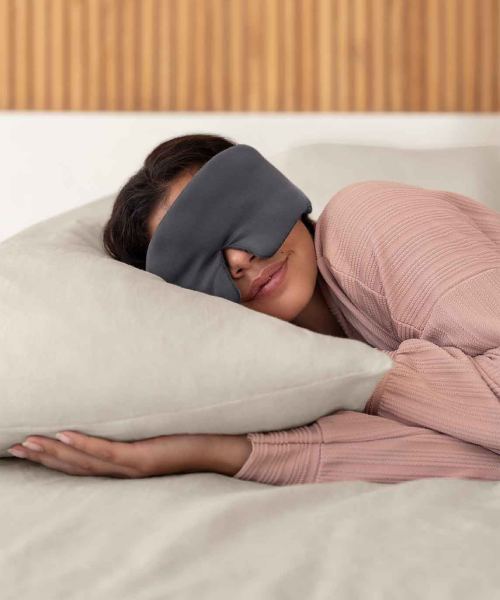
Price and retailer: Around $20–$50 at sleep brands and retailers. Prices change, so check before ordering.
What it is: A sleep mask designed to block light completely, usually with a contoured shape that doesn't press on the eyes. Some have adjustable straps and cooling gel.
Why it made the list: Winter mornings are darker, but light still gets in — from streetlights, from a partner's phone, from early sunrise. A good sleep mask blocks it completely, which improves sleep quality. It's the cheapest product here and the one with the least commitment.
What buyers say: Sleep masks get positive feedback for light blocking and comfort. The recurring note is fit — a mask that doesn't fit properly lets light in or presses on the eyes. Choose a contoured mask with an adjustable strap.
Fine print: Check the fit and the strap adjustment. Hand wash. Check whether the mask is designed for side sleepers if that's how you sleep.
Good:
· Blocks light completely
· Around $20–$50
· Low commitment
Weigh up:
· Fit matters — a bad mask lets light in
· Not comfortable for everyone
How to sleep better in winter
Keep the bedroom cool. 16–18°C is the ideal temperature for sleep. A cool room with a breathable duvet is better than a warm room with a heavy one.
Use a humidifier. Central heating dries the air, which can cause dry throats and irritated skin. A humidifier adds moisture back.
Get light in the morning. Winter mornings are dark, which affects your body clock. Get outside or use a light box in the morning.
Keep a consistent schedule. Going to bed and waking up at the same time helps your body clock adjust to the darker days.
Who should skip these
If you have sleep apnoea or breathing issues, check with a doctor before using a weighted blanket. If you don't like anything on your face, skip the sleep mask. And if your main problem is temperature, fix the room before buying products.
Questions
Do silk pillowcases actually help hair and skin?
Yes, for most people. Silk reduces friction, which means less breakage and fewer creases, and it doesn't absorb moisture like cotton. Look for 100% mulberry silk at 19–22 momme.
Are weighted blankets safe?
For most adults, yes. Choose 10% of your body weight and check the guidance if you have sleep apnoea, breathing issues or are buying for a child. Not recommended for children under three.
What's the best sleep mask?
A contoured mask with an adjustable strap that blocks light completely without pressing on the eyes. Check the fit and whether it's designed for side sleepers.
How do you sleep better in winter?
Keep the room cool (16–18°C), use a humidifier, get morning light and keep a consistent schedule. Products help, but the basics matter more.
Do you need a humidifier in winter?
If your heating dries the air, yes. A humidifier can reduce dry throats, irritated skin and static. Check the humidity level — 30–50% is ideal.
The bottom line
If you want a simple fix for hair and skin, choose a silk pillowcase. If you struggle to settle, a weighted blanket can help. And if light wakes you, a sleep mask is the cheapest upgrade.
Fix the room temperature first, then buy products. That's how winter sleep gets better.