Planners for Actually Sticking to 2027 Goals
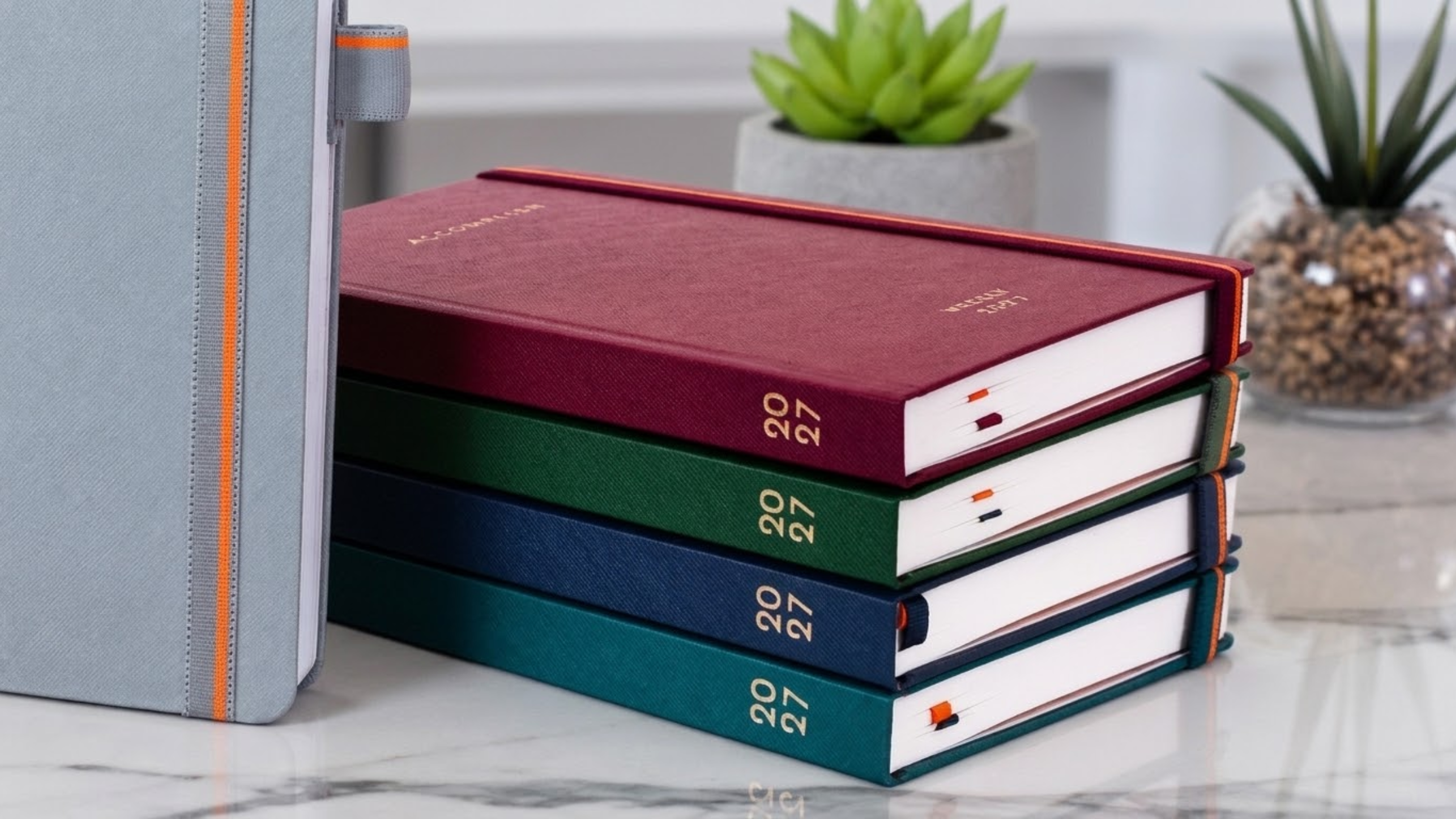
Most planners fail in February. You start January with good intentions, fill in the first few weeks, then miss a day, then a week, and by February the planner is in a drawer. The problem is usually the planner, not the person — a layout that doesn't match how you actually plan is a layout you'll abandon.
This guide is for anyone who wants a planner for 2027 that they'll actually use past January. We've picked three at different price points and with different layouts. We haven't tested them. What we've done is check what the brands state about paper, layout and binding, what buyers report, and the fine print that decides whether a planner gets used or abandoned.
Some links to this page earn us a commission. It doesn't change what we recommend. How that works.
Our take
Pick | Planner | Price | Layout | Best for |
Best overall | Leuchtturm1917 Weekly Planner | ~$25–$30 | Weekly + notes | A simple, flexible planner |
Best for detail | Hobonichi Techo | ~$40–$50 | Daily pages | Detailed daily planning |
Best for customisation | Papier Personalised Planner | ~$35–$70 | Weekly + notes, personalised | A gift or a treat |
What to look for in a planner
The layout has to match how you plan. If you plan by the day, a weekly layout will frustrate you. If you plan by the week, a daily layout is too much. Choose the layout that matches your actual habits, not the one that looks nicest.
Paper quality matters more than cover design. Thin paper bleeds with fountain pens and shows through with markers. Good planners use 80–100gsm paper that handles most pens without bleed.
Binding affects how it lies flat. A planner that doesn't lie flat is annoying to write in. Look for a lay-flat binding or a stitched spine.
The most common mistake: buying a planner with a rigid system. A planner that forces you into a specific method is one you'll abandon. Choose a layout that's flexible enough to adapt.
The 3 picks
Leuchtturm1917 Weekly Planner
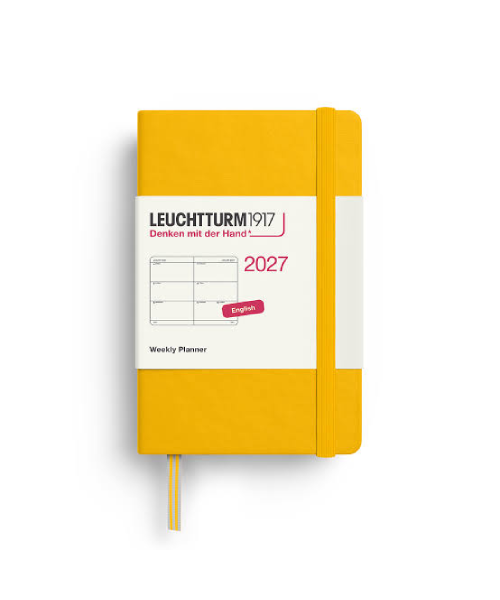
Price and retailer: Around $25–$30 at Leuchtturm1917 and stationery retailers. Prices change, so check before ordering.
What it is: A weekly planner with a week-to-view layout on the left and a notes page on the right, plus monthly overviews and a yearly planner. It uses 80gsm paper and has a hardback cover with an elastic closure.
Why it made the list: This is the most flexible planner here. The weekly layout gives you space for appointments, and the notes page next to it means you can plan projects alongside. It's simple enough not to feel restrictive, and the paper quality is good for the price.
What buyers say: Leuchtturm1917 planners get consistent praise for paper quality and for the lay-flat binding. The recurring note is that the weekly layout is fairly minimal — if you want detailed daily pages, it's not the right choice.
Fine print: 80gsm paper. Hardback. Elastic closure. Check the size — it comes in A5 and larger. Check the delivery cut-off if buying as a gift.
Good:
· Flexible weekly layout
· Good paper quality
· Lay-flat binding
Weigh up:
· Minimal daily space
· Not for detailed daily planning
Hobonichi Techo
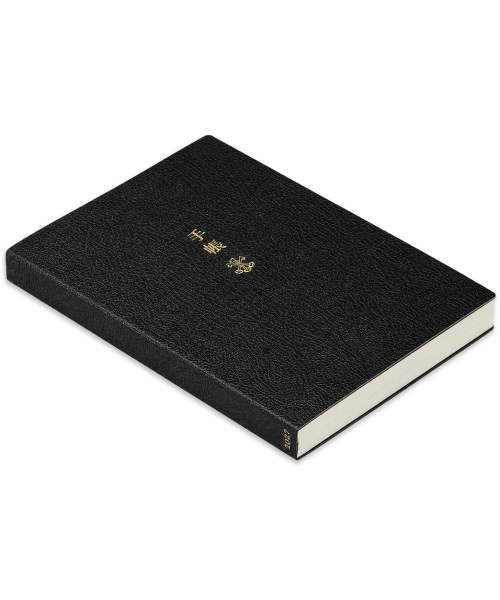
Price and retailer: Around $40–$50 at Hobonichi and stationery retailers. Prices change, so check before ordering.
What it is: A daily planner with a page per day, plus monthly and yearly overviews. It uses Tomoe River paper, which is thin but handles fountain pens without bleed.
Why it made the list: This is the planner for anyone who plans in detail. The daily page gives you space for appointments, notes and a journal entry, and the paper is some of the best available. It's the planner most loved by people who actually stick with planning.
What buyers say: Hobonichi planners get strong feedback for paper quality and for the daily layout. The recurring note is that the paper is thin — it handles fountain pens well but shows through with markers. The daily pages are also a commitment — miss a day and you have a blank page.
Fine print: Tomoe River paper. Daily pages. Check the size — it comes in A6 and A5. Check the delivery time — Hobonichi ships from Japan.
Good:
· Daily pages for detailed planning
· Excellent paper quality
· Loved by people who stick with planning
Weigh up:
· Thin paper
· Daily pages are a commitment
· Ships from Japan
Papier Personalised Planner
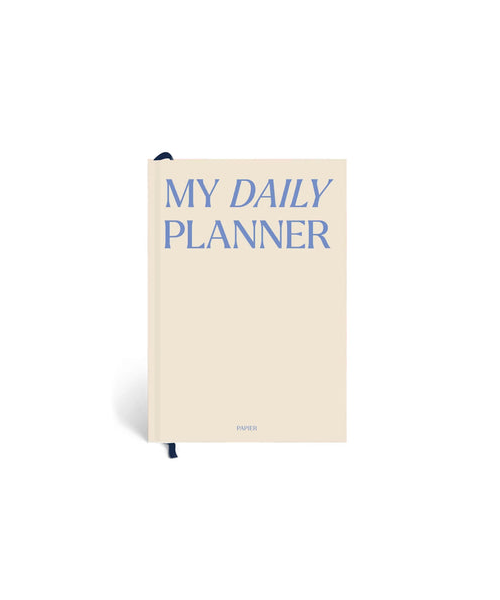
Price and retailer: Around $35–$70 at Papier. Prices change, so check before ordering.
What it is: A planner with a weekly layout, notes pages and a personalised cover. Papier offers a range of designs and personalisation options.
Why it made the list: This is the planner for anyone who wants something that looks good as well as works. The weekly layout is flexible, the paper is good, and the personalised cover makes it feel like a treat. It's the one to buy as a gift or as a reward.
What buyers say: Papier planners get positive feedback for design and personalisation. The recurring note is price — the personalised option is more expensive, and the paper is good but not as good as Hobonichi's.
Fine print: Check the paper weight and layout. Personalisation adds to the price. Check the delivery time — personalised items take longer.
Good:
· Personalised cover
· Flexible weekly layout
· Feels like a treat
Weigh up:
· More expensive with personalisation
· Paper not as good as Hobonichi's
How to actually stick to a planner
Choose a layout that matches your habits. Weekly if you plan by the week, daily if you plan by the day. Don't force yourself into a system.
Keep it visible. A planner in a drawer doesn't get used. Keep it on your desk or in your bag.
Don't aim for perfect. Missing a day or a week is normal. Don't abandon the planner because it's not perfect — pick it up again.
Use it for one thing first. Start with appointments, then add notes and goals. Trying to use every section from day one is overwhelming.
Who should skip these
If you plan digitally, a paper planner is a nice-to-have rather than a necessity. If you want a rigid system, none of these provides one — they're flexible by design. And if you need a planner with a specific layout, check the pages before you buy.
Questions
What's the best planner for 2027?
Leuchtturm1917 for a flexible weekly layout, Hobonichi for detailed daily planning, Papier for a personalised option. Choose the layout that matches how you plan.
Why do people abandon planners?
Usually because the layout doesn't match their habits. A weekly planner for someone who plans by the day, or a rigid system for someone who needs flexibility, gets abandoned.
Is a paper planner better than a digital one?
It depends on how you plan. Paper is better for some people — it's tactile, it doesn't distract, and writing things down helps memory. Digital is better for others.
How much should you spend on a planner?
Around $25–$50 for a good one. More expensive planners have better paper and binding, but the layout matters more than the price.
What's the best planner for a gift?
Papier's personalised planner is the best gift option — it looks good and feels like a treat. Leuchtturm1917 is the safer choice if you're not sure of their taste.
The bottom line
If you want a simple, flexible planner, choose Leuchtturm1917. If you plan in detail, Hobonichi Techo is the one. And if you want something personalised, Papier is the pick.
Choose the layout that matches your habits, keep it visible, and don't aim for perfect. That's how a planner gets used past January.