Yoga Mats That Don't Slip When You Sweat
A slippery yoga mat is worse than no mat at all. Your hands slide in downward dog, your feet slip in warrior, and you spend the class adjusting rather than breathing. The problem is that most mats grip when dry and fail when wet — which is exactly when you need them.
This guide is for anyone whose hands or feet slip during a sweaty practice, or who wants a mat that works for hot yoga, vinyasa or any class where you sweat. We've picked three mats at different price points and with different grip technologies. We haven't tested them on our own practice. What we've done is check what the brands state about grip, material and thickness, what buyers report, and the fine print that decides whether a mat is worth the money.
Some links on this page earn us a commission. It doesn't change what we recommend. How that works.
Our take
Pick | Mat | Thickness | Price | Best for |
Best overall | Liforme Original Yoga Mat | 4.2mm | ~$150 | The grippiest mat for sweaty practice |
Best value | Gaiam Sol Dry-Grip | 6mm | ~$40–$50 | A budget mat with good grip |
Best for durability | Manduka PRO | 6mm | ~$120–$140 | A mat that lasts for years |
What to look for in a non-slip yoga mat
Grip when wet is the whole point. Most mats grip when dry. The good ones grip when your hands are sweaty. Look for mats described as "dry-grip", "wet-grip" or "non-slip when wet", and check buyer reviews for sweating.
Material matters. Natural rubber and polyurethane tops offer the best wet grip. PVC and TPE are cheaper but can be slippery when wet. If you sweat a lot, choose a rubber or polyurethane mat.
Thickness is a trade-off. A thicker mat (6mm) cushions the joints but can feel unstable in balancing poses. A thinner mat (4mm) gives more stability but less cushioning. For most people, 4–5mm is the sweet spot.
The most common mistake: buying a mat for cushioning rather than grip. If you slip, the mat isn't doing its job, however comfortable it feels.
The 3 picks
Liforme Original Yoga Mat
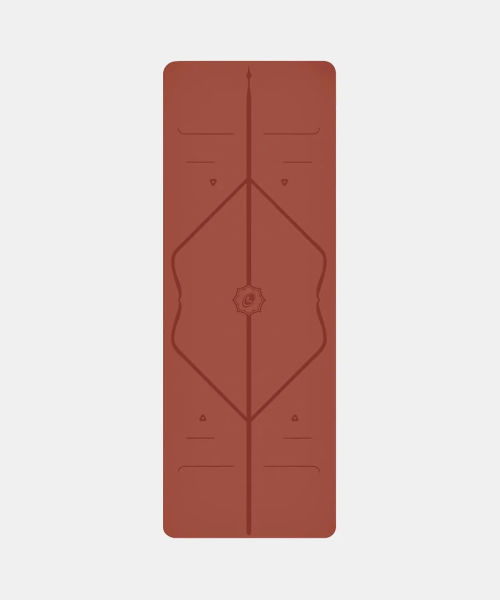
Price and retailer: Around $150 at Liforme. Prices change, so check before ordering.
What it is: A yoga mat with a polyurethane top layer and a natural rubber base, designed for grip when wet. It has alignment markers and is thicker than a standard mat at 4.2mm.
Why it made the list: This is the mat most often recommended for sweaty practice. The polyurethane top grips when wet in a way that PVC and TPE don't, and the alignment markers help with positioning. It's the most expensive here, but it's the one that solves the slipping problem.
What buyers say: Liforme mats get strong feedback for grip, especially in hot yoga and vinyasa. The recurring note is price and durability — the polyurethane top can wear over time, and the mat is expensive to replace.
Fine print: Polyurethane top, natural rubber base. 4.2mm. Wipe clean after use. Check Liforme's warranty terms.
Good:
· Grips when wet
· Alignment markers
· Good for hot yoga
Weigh up:
· The most expensive here
· Polyurethane top can wear over time
Gaiam Sol Dry-Grip
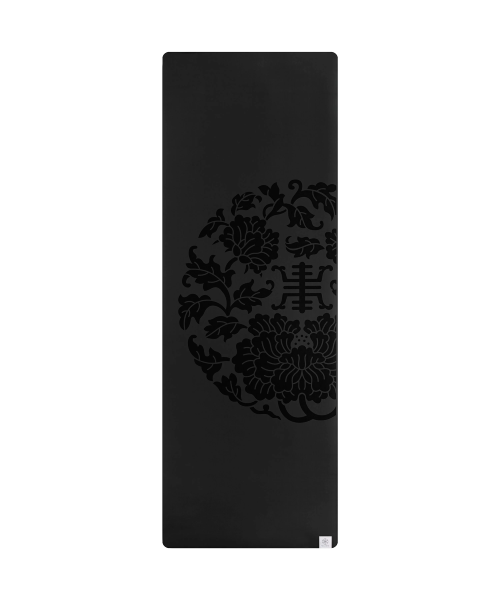
Price and retailer: Around $40–$50 at Gaiam and retailers. Prices change, so check before ordering.
What it is: A yoga mat with a dry-grip top layer, designed for grip when wet. It's 6mm thick, so it offers more cushioning than the Liforme.
Why it made the list: This is the cheapest mat here with genuine wet grip. The dry-grip top works for sweaty practice, the 6mm thickness cushions the joints, and the price makes it a low-risk buy. If you're not sure you want to spend $150 on a mat, start here.
What buyers say: Gaiam's dry-grip mat gets positive feedback for grip and value. The recurring note is durability — it doesn't last as long as a Manduka or Liforme, and the top can start to peel after a year or two of regular use.
Fine print: 6mm. Dry-grip top. Wipe clean after use. Check Gaiam's returns policy.
Good:
· Around $40–$50
· Grips when wet
· 6mm cushioning
Weigh up:
· Less durable than premium mats
· Top can peel over time
Manduka PRO
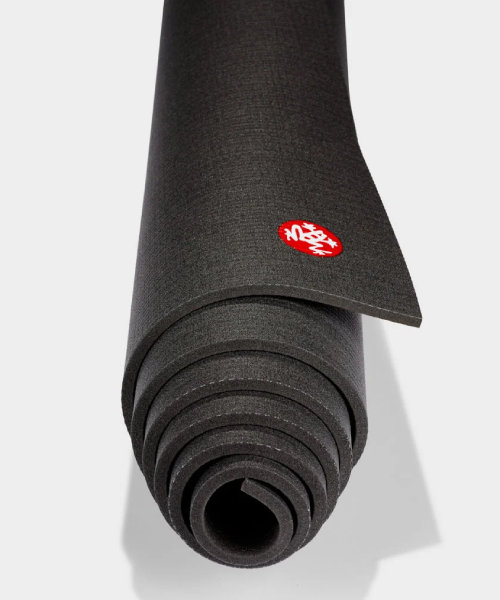
Price and retailer: Around $120–$140 at Manduka. Prices change, so check before ordering.
What it is: A dense, 6mm PVC mat with a closed-cell surface, designed for durability and longevity. It's one of the most widely used yoga mats in studios, and Manduka offers a lifetime guarantee.
Why it made the list: This is the mat that lasts. The PVC is dense and durable, the closed-cell surface resists sweat, and the lifetime guarantee means you buy once. It's less grippy than the Liforme when wet, but it's more durable and easier to clean.
What buyers say: Manduka PRO mats get strong feedback for durability and for the lifetime guarantee. The recurring note is that they're heavy and less grippy when new — they need a break-in period, and they're not the best choice for hot yoga.
Fine print: 6mm, PVC. Heavy. Needs a break-in period. Lifetime guarantee. Check Manduka's warranty terms.
Good:
· Lifetime guarantee
· Durable and easy to clean
· Resists sweat
Weigh up:
· Heavy
· Less grippy when wet than the Liforme
How to stop slipping on a yoga mat
Choose a mat with wet grip. Polyurethane and natural rubber tops grip when wet; PVC and TPE don't. If you sweat, choose the former.
Use a towel over the mat. A yoga towel on top of the mat absorbs sweat and adds grip. It's cheaper than a new mat.
Wipe the mat between uses. Sweat and oils build up on the surface and reduce grip. Wipe with a damp cloth after each practice.
Warm up your hands. Dry hands grip better than cold, dry ones. A quick rub before you start helps.
Who should skip these
If you do hot yoga, the Manduka PRO is less grippy when wet — choose the Liforme. If you need a thick mat for joint problems, the Gaiam at 6mm is the better choice. And if you're a beginner who isn't sure about yoga, a cheap mat is fine to start with.
Questions
What's the best yoga mat for sweaty hands?
A mat with a polyurethane or natural rubber top, like the Liforme. These grip when wet in a way that PVC and TPE don't.
How thick should a yoga mat be?
4–5mm for most people. Thicker mats cushion the joints but can feel unstable in balancing poses.
Why does my yoga mat slip?
Usually because the material doesn't grip when wet. PVC and TPE mats are slippery when sweaty. Wipe the mat between uses and consider a yoga towel.
How often should you replace a yoga mat?
Every few years for regular practice. Premium mats like the Manduka PRO last longer — the lifetime guarantee covers wear.
Can you wash a yoga mat?
Wipe with a damp cloth after each use. Some mats can be washed with mild soap and water, but check the brand's instructions.
Is an expensive yoga mat worth it?
If you practice regularly and slip, yes. The Liforme solves the grip problem, and the Manduka lasts for years. If you practice occasionally, the Gaiam is enough.
The bottom line
If you sweat and slip, choose the Liforme Original — it's the grippiest mat here. If you want a cheap mat with good grip, the Gaiam Sol Dry-Grip is the value pick. And if you want a mat that lasts for years, the Manduka PRO is the one.
Choose grip over cushioning, and wipe the mat between uses. That's how a yoga mat stops slipping.