Clean Makeup Brands: 3 and What "Clean" Means Here
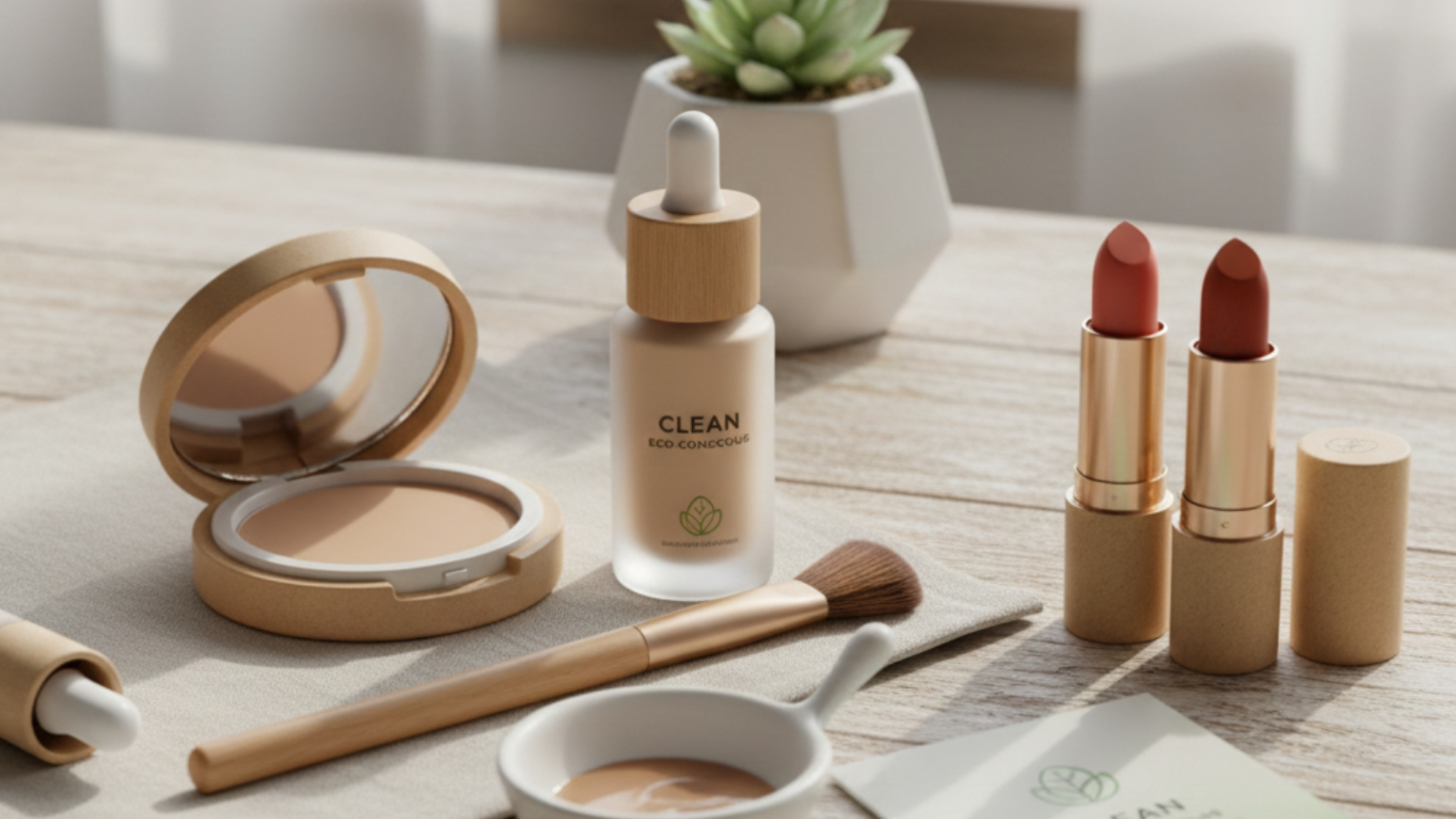
Clean beauty" is the most confusing phrase in the industry. It has no legal definition. Every brand that uses it means something slightly different, and some of them mean very little at all. Which means buying "clean" makeup is mostly an exercise in reading ingredient lists rather than trusting a label.
This guide is for anyone who wants to understand what clean makeup actually is, and which brands are worth trying. We've picked three at different price points and with different approaches. We haven't tested them on our own faces. What we've done is check what each brand publishes about its ingredient standards, what it excludes, what third-party certifications it holds, and how the products perform according to buyers.
Some links on this page earn us a commission. It doesn't change what we recommend. How that works.
Our take
Brand | Price range | What "clean" means to them | Best for |
Kosas | ~$25–$45 | Publishes a "free from" list; cruelty-free | A mix of skincare and makeup |
ILIA | ~$30–$55 | Publishes a restricted-substances list; some formulas certified | A dewy, skin-like finish |
Saie | ~$25–$35 | Short ingredient lists; recycled packaging | A lightweight, minimal routine |
What "clean" actually means
There's no legal definition. Unlike "organic" (which is regulated for food and some cosmetics) or "fragrance-free" (which has a recognised meaning), "clean" is a marketing term. Brands define it themselves, usually through a list of ingredients they choose to exclude.
The exclusion lists vary wildly. Some brands exclude around 1,500 ingredients, others around 30. The lists often include parabens, phthalates, sulphates and synthetic fragrances, but the specifics differ. A brand's "free from" list tells you what it's choosing to avoid, not what's actually harmful.
"Natural" doesn't mean safer. Essential oils, which are natural, are one of the most common causes of contact dermatitis in cosmetics. A synthetic ingredient can be safer than a natural one, and vice versa. "Clean" is about a brand's standards, not a guarantee of safety.
Certifications are the useful evidence. Look for Leaping Bunny (cruelty-free), COSMOS (organic), or EWG Verified. These are external checks. A brand's own "clean" page is not.
The most common mistake: assuming "clean" means better performance. Some clean brands make excellent products; some make products that separate, oxidise or wear badly. Judge each product on how it performs, not on the label.
The 3 brands
Kosas
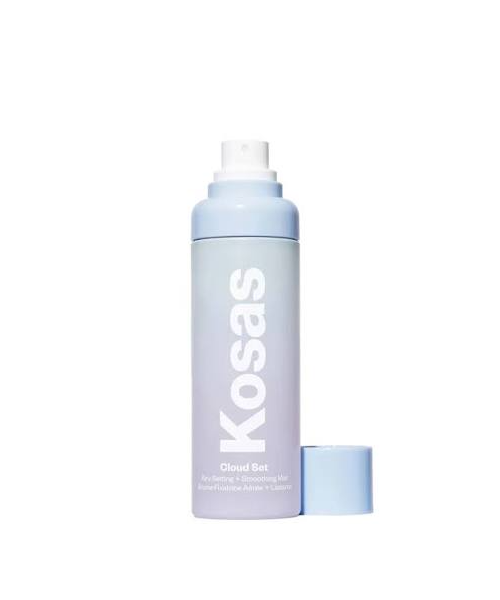
What it is: A US brand that built its reputation on makeup with skincare ingredients — the Revealer Concealer, the Tinted Face Oil and the brow products are its best-known lines. Kosas publishes a "free from" list and states that its products are cruelty-free.
Why it made the list: Kosas is the clean brand most likely to convert someone who doesn't care about clean beauty, because the products perform. The Revealer Concealer is a genuinely good concealer, not just a good clean concealer. That's the point — if a clean product works as well as a conventional one, the clean claim is a bonus rather than a compromise.
What buyers say: Kosas products get consistent praise for texture and finish. The recurring notes are that some formulas are more pigmented than expected (check swatches) and that the shade ranges, while good, don't cover every undertone.
Fine print: Check the current "free from" list on the brand's site — it changes. Kosas states cruelty-free status; check whether it holds a third-party certification like Leaping Bunny. Patch test if your skin is reactive.
Good:
· Products that perform, not just clean claims
· Skincare ingredients in makeup
· Cruelty-free
Weigh up:
· "Clean" is brand-defined, not certified
· Some shades run more pigmented than expected
ILIA
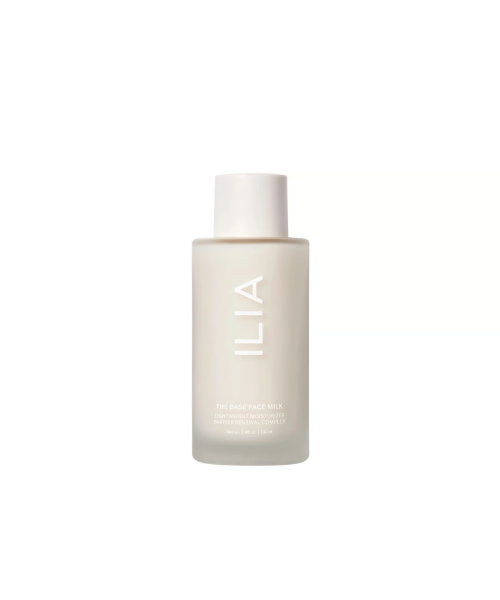
What it is: A US brand known for skin-like, dewy makeup — the Super Serum Skin Tint and the Multi-Stick are its most recognisable products. ILIA publishes a restricted-substances list and has had some formulas certified by third parties.
Why it made the list: ILIA is the clean brand for anyone who wants a luminous, natural finish. The Super Serum Skin Tint is a genuinely good base — light coverage, dewy, comfortable — and the Multi-Stick works as a blush and a lip colour. The performance holds up against conventional brands.
What buyers say: ILIA's base products get strong feedback for the finish. The recurring notes are that the skin tint is very dewy (not for oily skin) and that the shade range, while improving, has gaps. The Multi-Stick is widely praised as a versatile colour.
Fine print: Check the restricted-substances list and any third-party certifications on the brand's site. Patch test if your skin is reactive, especially with the skin tint.
Good:
· Excellent dewy finish
· Multi-sticks work as blush and lip
· Published restricted-substances list
Weigh up:
· Very dewy — not for oily skin
· Shade range has gaps
Saie
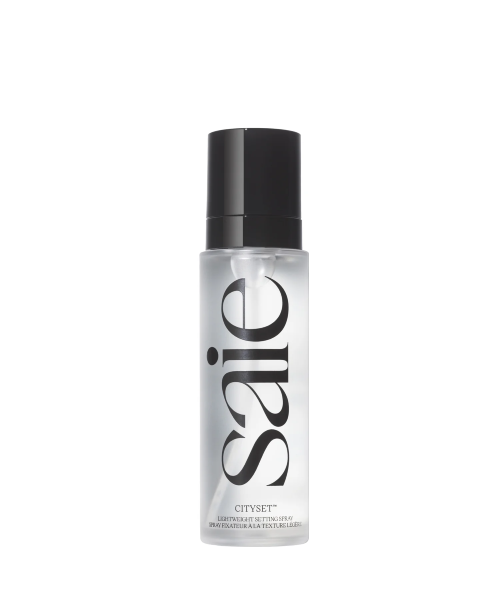
What it is: A US brand built around short ingredient lists and recycled packaging. The Slip Tint and the Dew Blush are its best-known products, and the brand emphasises a minimal routine.
Why it made the list: Saie is the clean brand that feels least fussy. The products are lightweight, the packaging is considered, and the ingredient lists are shorter than most. If you want a clean brand that doesn't feel like a chemistry lesson, this is the one.
What buyers say: Saie's products get positive feedback for the lightweight textures and the packaging. The recurring note is that the coverage is light — this isn't the brand for full-coverage makeup. The Dew Blush is praised for being easy to blend.
Fine print: Check the ingredient lists and any certifications on the brand's site. Saie states cruelty-free status; check whether it holds a third-party certification. Patch test first.
Good:
· Short ingredient lists
· Lightweight textures
· Recycled packaging
Weigh up:
· Light coverage only
· Not the brand for full-coverage makeup
How to judge a "clean" claim
Ask what they exclude, and how many. A brand that excludes 30 ingredients is making a much smaller claim than one that excludes 1,500. Both can be legitimate; you just need to know which you're buying.
Look for third-party certification. Leaping Bunny covers cruelty-free; COSMOS covers organic; EWG Verified covers ingredient safety. A brand's own standards page is marketing; a certification is evidence.
Judge the product, not the label. A clean product that oxidises, separates or wears badly is still a bad product. Performance comes first; the clean claim is a bonus.
Don't assume natural means gentle. Essential oils and botanical extracts are common irritants. If you have sensitive skin, patch test regardless of how "clean" a product claims to be.
Who should skip these
If you want full coverage, none of these brands is the right choice — they lean toward light, dewy finishes. If you have very oily skin, the dewy products (especially ILIA) may be too much. And if you want a definitive safety guarantee, no "clean" brand provides that — only a patch test and a dermatologist can tell you what your skin tolerates.
Questions
What does "clean makeup" mean?
Nothing legally. It's a marketing term that brands define themselves, usually through a list of excluded ingredients. The lists vary widely, so check what each brand actually excludes rather than trusting the label.
Is clean makeup better for your skin?
Not necessarily. Some clean ingredients (like essential oils) are common irritants, and some synthetic ingredients are well tolerated. Judge each product on performance and patch test.
What are the best clean makeup brands?
Kosas, ILIA and Saie are all worth trying, but for different reasons — Kosas for performance, ILIA for a dewy finish, Saie for a minimal approach. Look for third-party certifications on top of the brand's own claims.
Are clean makeup brands cruelty-free?
Not automatically. Cruelty-free is a separate claim, and it needs a certification like Leaping Bunny to be verifiable. Check the brand's certification rather than assuming.
Is clean makeup more expensive?
Often, yes, because smaller brands have less scale and certification costs money. But not always — check the price per ml and the performance rather than assuming a premium is justified.
Can clean makeup cause breakouts?
Any makeup can, depending on your skin. Clean brands aren't automatically non-comedogenic. Check the product for non-comedogenic claims and patch test.
The bottom line
If you want clean makeup that performs, choose Kosas — the products work regardless of the label. If you want a dewy finish, ILIA is the one. And if you want a minimal routine, Saie is the pick.
Look for third-party certification, read the exclusion list, and judge the product first. That's how "clean" becomes useful rather than just a word on a box