Celery and Sage Walls: 3 Accessories to Match the 2027 Colours
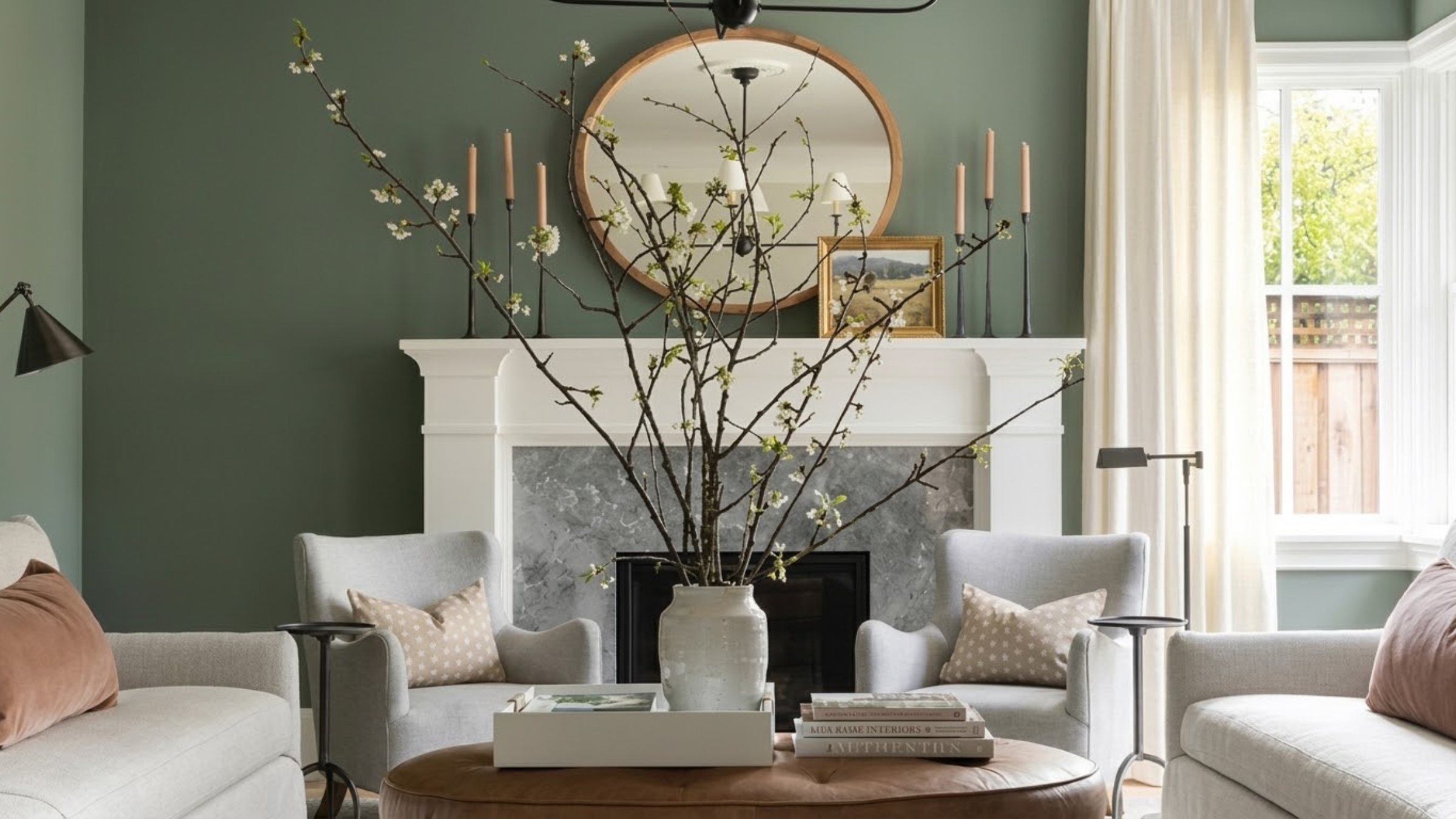
Sage green has been creeping into interiors for a few years, and 2027 is the year it goes mainstream. Sherwin-Williams named Celery as a colour of the year, Dulux named Soulful Sage, and the result is that sage is suddenly everywhere — on walls, on furniture, on accessories.
The problem is matching it. Sage is a wide colour family, and a sage cushion from one brand can clash with a sage vase from another. The safer approach is to use sage as an accent rather than a wall colour, and to mix it with warm neutrals and natural textures. This guide picks three sage accessories at different price points that work together and with the rest of the 2027 palette.
Some links on this page earn us a commission. It doesn't change what we recommend. How that works.
Our take
Pick | Piece | Price | Material | Best for |
Best overall | Sage green cushion | ~$25–$45 | Linen or cotton | Adding colour without commitment |
Best for texture | Sage green vase | ~$30–$60 | Ceramic or stoneware | A shelf or table accent |
Best for warmth | Sage green throw | ~$50–$80 | Wool or cotton | A sofa or bed layer |
What to look for in sage green decor
Choose the right shade. Sage can be cool (grey-green) or warm (yellow-green). 2027's versions lean warmer — celery and soulful sage are warm, muted greens. Choose warm sage over cool sage for a current look.
Pair it with warm neutrals. Sage works with cream, mushroom, terracotta and warm wood. It clashes with cool greys and bright whites. Keep the rest of the room warm.
Mix textures. Sage in linen, ceramic and wool reads more expensive than sage in synthetic fabrics. Texture stops the colour looking flat.
The most common mistake: using too much sage. One or two sage pieces against a warm neutral base is enough. A whole sage room feels dated quickly.
The 3 picks
Sage Green Cushion
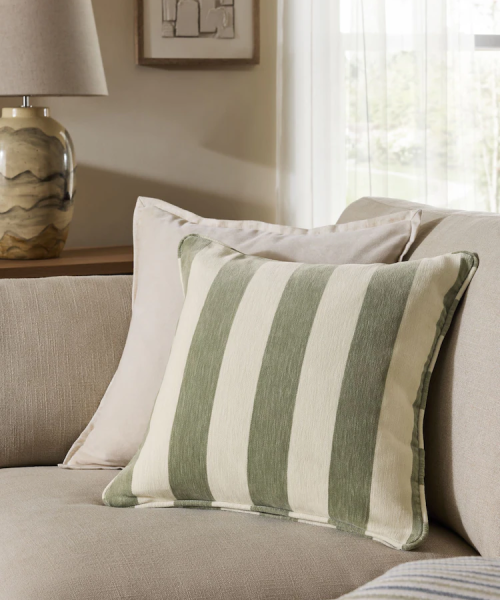
Price and retailer: Around $25–$45 at home retailers. Prices change, so check before ordering.
What it is: A cushion in a warm sage green, in linen or cotton. The best versions have a textured weave or a subtle pattern rather than a flat colour.
Why it made the list: A cushion is the cheapest way to add sage to a room. It's easy to move, easy to replace if the shade is wrong, and it works on a sofa or a bed. It's the trend piece with the least commitment.
What buyers say: Linen and cotton cushions get positive feedback for texture and for holding their colour. The recurring note is that cheap covers can look flat — choose a textured fabric rather than a smooth one.
Fine print: Check the cover material and whether the insert is included. Check the size against your sofa. Check the delivery time.
Good:
· Around $25–$45
· Easy to move or replace
· Texture stops the colour looking flat
Weigh up:
· Check whether the insert is included
· Cheap covers can look flat
Sage Green Vase
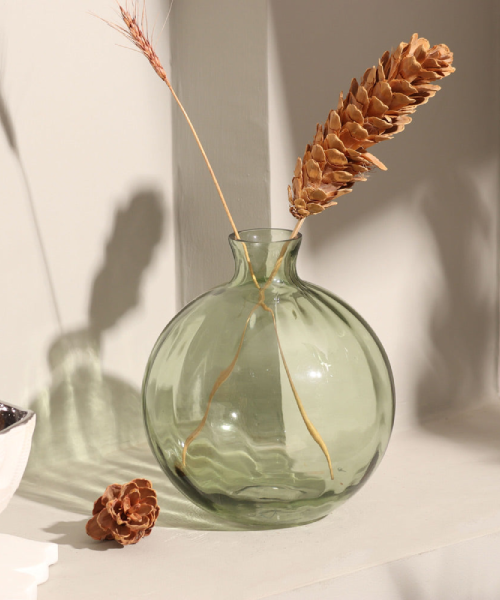
Price and retailer: Around $30–$60 at home retailers. Prices change, so check before ordering.
What it is: A vase in a warm sage green, in ceramic or stoneware, with a matte or textured finish.
Why it made the list: A vase is the sage accessory that works on a shelf or a table without competing with anything else. The matte ceramic finish reads more expensive than a glossy one, and it pairs with the natural materials trend. It's the piece that makes the colour feel deliberate.
What buyers say: Ceramic vases get positive feedback for finish and for the colour. The recurring note is that the colour can vary between batches — check the product photos and reviews.
Fine print: Check the size and whether it's watertight. Check the finish — matte reads more expensive than glossy. Check the delivery time.
Good:
· Around $30–$60
· Matte finish looks expensive
· Works on a shelf or table
Weigh up:
· Colour can vary between batches
· Check whether it's watertight
Sage Green Throw
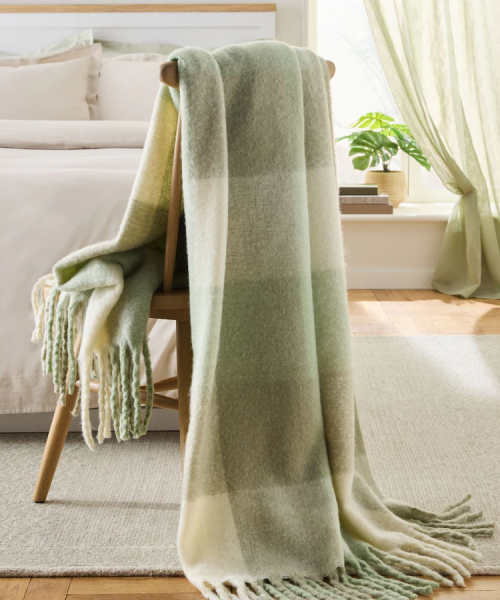
Price and retailer: Around $50–$80 at home retailers. Prices change, so check before ordering.
What it is: A throw in a warm sage green, in wool or cotton, with a textured weave.
Why it made the list: A throw is the sage piece that adds warmth as well as colour. Draped over a sofa or a bed, it covers more area than a cushion and makes the colour feel intentional rather than an accent. It's the piece for someone who wants sage to be a proper part of the room.
What buyers say: Wool and cotton throws get positive feedback for warmth and texture. The recurring note is that wool throws can shed — check reviews before buying.
Fine print: Check the material and care instructions. Wool needs careful washing. Check the size — a throw should be big enough to drape.
Good:
· Around $50–$80
· Adds warmth and colour
· Covers more area than a cushion
Weigh up:
· Wool can shed
· Care can be fiddly
How to use sage green without it dating
Keep it to one or two pieces per room. A cushion and a vase, or a throw and a cushion. More than that and it looks like a theme.
Pair it with warm neutrals. Cream, mushroom, terracotta and warm wood. Avoid cool greys and bright whites, which make sage look cold.
Mix textures. Linen, ceramic, wool. Texture makes sage look expensive; flat synthetic fabrics make it look cheap.
Who should skip these
If your room is already cool-toned, sage may clash — choose a warmer accent instead. If you want a sage wall, paint is the better route than accessories, but choose the shade carefully. And if you're not sure about the colour, start with a cushion rather than a throw.
Questions
What colours go with sage green?
Warm neutrals — cream, mushroom, terracotta, warm wood and chocolate brown. Avoid cool greys and bright whites, which make sage look cold.
Is sage green still in style for 2027?
Yes — Sherwin-Williams named Celery and Dulux named Soulful Sage as colours of the year, and sage is a major 2027 trend. The current versions are warmer than the cool grey-greens of previous years.
How do you use sage green without it dating?
Keep it to one or two pieces per room, pair it with warm neutrals and mix textures. Avoid a whole sage room.
What's the best sage green accessory to start with?
A cushion. It's cheap, easy to move and easy to replace if the shade is wrong.
Does sage green work in a small room?
Yes, as an accent. A sage throw or cushion adds colour without making a small room feel darker. A sage wall in a small room can work if the room gets good light.
The bottom line
If you want an easy accent, choose a sage green cushion. If you want a texture piece, a sage green vase is the one. And if you want warmth, a sage green throw is the pick.
Keep it to one or two pieces per room, pair it with warm neutrals and mix textures. That's how sage green looks current rather than dated.