Pre-Owned Designer Bags: 3 Safe Places to Buy
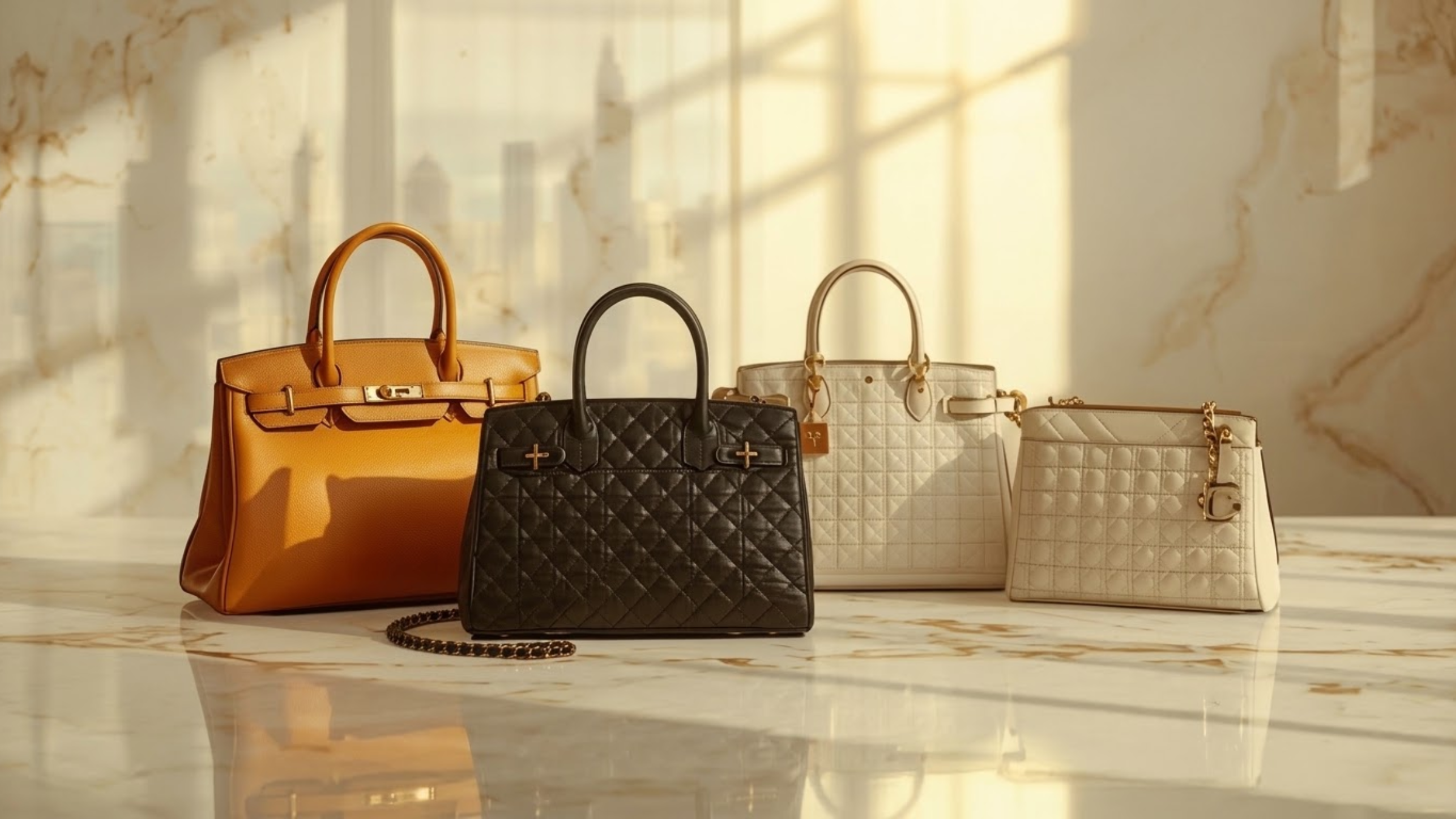
A pre-owned designer bag is one of the few purchases where saving money and getting something better made can go together. A Chanel flap bought second-hand for less than retail is still a Chanel flap. The problem is the fakes, the inflated prices, and the platforms that look legitimate until something goes wrong.
This guide is for anyone who wants a designer bag without paying full retail, and without gambling on authentication. We've picked three resale platforms with different models and different strengths. We haven't bought from them ourselves. What we've done is check their authentication processes, their fee structures, their return policies, and what buyers and industry reports say about each.
Some links on this page earn us a commission. It doesn't change what we recommend. How that works.
Our take
Platform | Model | Best for | Authentication | Buyer fees |
Fashionphile | Buy-outright | US buyers who want clear pricing | In-house team | None — price you see is price you pay |
Rebag | Buy-outright + trade-in | Tight condition grading and Clair AI valuation | In-house team | None |
Vestiaire Collective | Peer-to-peer marketplace | Rare and vintage pieces | Authentication on items over €500 | 8–12% buyer protection fee |
How pre-owned designer bag platforms work
Buy-outright versus peer-to-peer. Fashionphile and Rebag buy bags outright, authenticate them in-house, and sell them at a fixed price. Vestiaire Collective is a marketplace — sellers list their own bags, and Vestiaire authenticates higher-value items before shipping. Buy-outright is more controlled; peer-to-peer has a wider catalogue but more variability.
Authentication is not the same everywhere. Fashionphile says every item it buys and sells is inspected by its in-house team of luxury authenticators, with no consignment risk to the seller. Rebag authenticates in-house and grades condition tightly. Vestiaire physically authenticates every item over €500 before it ships. Below that threshold, authentication may be optional — check before you buy.
Fees change the final price. Fashionphile and Rebag use buy-outright pricing, so the price you see is the price you pay plus tax — no buyer fee. Vestiaire adds a buyer protection fee of roughly 8–12% plus an authentication fee if you select it. Always compare the total, not the list price.
The most common mistake: buying a bag without checking the return policy. Pre-owned sales are often final, especially on peer-to-peer platforms. If you can't return it, you need to be certain of the condition and authenticity before you pay.
The 3 platforms
Fashionphile
How it works: Fashionphile buys bags outright, authenticates them in-house, and sells them at a fixed price. It has a partnership with Neiman Marcus, including selling counters inside stores, which adds a layer of accountability that pure marketplaces don't have.
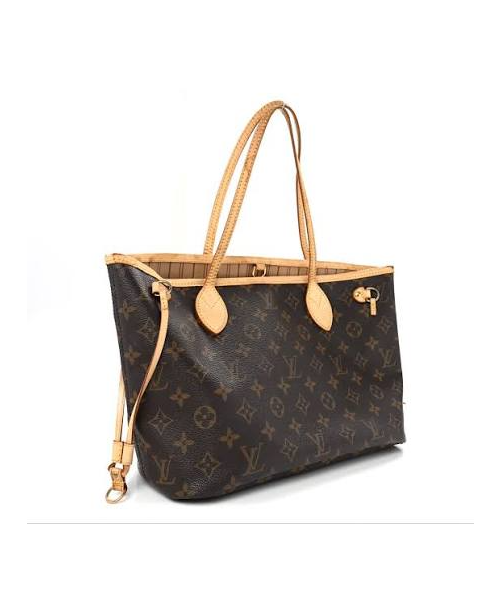
Why it made the list: For US buyers, Fashionphile is the strongest pick for handbags because the buy-outright model gives you clear pricing and in-house authentication with no buyer fee. Louis Vuitton's Speedy has been the top-selling bag on Fashionphile for two years running, which tells you the catalogue is deep enough to find what you want.
What buyers say: Fashionphile is trusted for authentication, but prices sometimes exceed retail on high-demand pieces, and support complaints recur. The Neiman Marcus partnership gives some buyers more confidence than a standalone marketplace.
Fine print: No buyer fee — the price you see is the price you pay plus tax. Free US shipping over $150. Check the return policy for the specific item — some pre-owned sales are final.
Good:
· In-house authentication with a Neiman Marcus partnership
· Clear buy-outright pricing with no buyer fee
· Deep catalogue of popular models
Weigh up:
· Prices can exceed retail on hot items
· Support complaints recur
Rebag
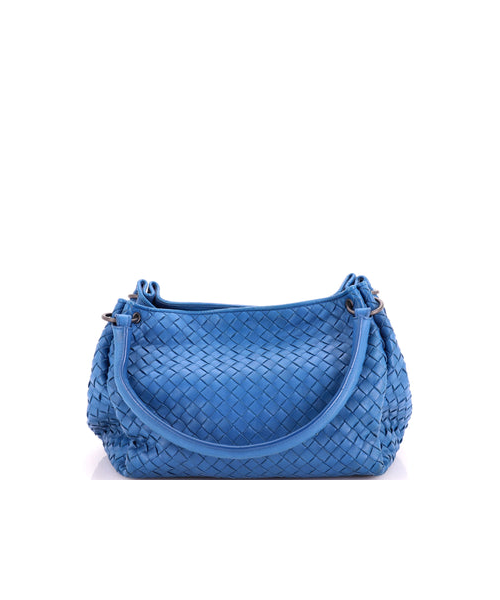
How it works: Rebag buys bags outright and grades condition tightly, using its Clair AI valuation for trade-ins. It's a smaller catalogue than Fashionphile or Vestiaire, but the grading is the most consistent, which matters if you're buying remotely.
Why it made the list: If you care about knowing exactly what condition a bag is in before you buy, Rebag is the platform to use. The tight grading system means "excellent" means the same thing across listings, which isn't always true on peer-to-peer marketplaces.
What buyers say: Rebag is described as the cleaner, more controlled resale experience compared to peer-to-peer sites. The trade-off is price — Rebag is often the priciest at the top of the range, and the catalogue is smaller.
Fine print: No buyer fee. Check the return policy for the specific item — as with all pre-owned sales, some are final. The Clair AI valuation is useful if you're trading in, but it doesn't change the buy-side price.
Good:
· Tight, consistent condition grading
· Cleaner buying experience than peer-to-peer
· Trade-in valuation if you're selling
Weigh up:
· Pricier at the top of the range
· Smaller catalogue
Vestiaire Collective
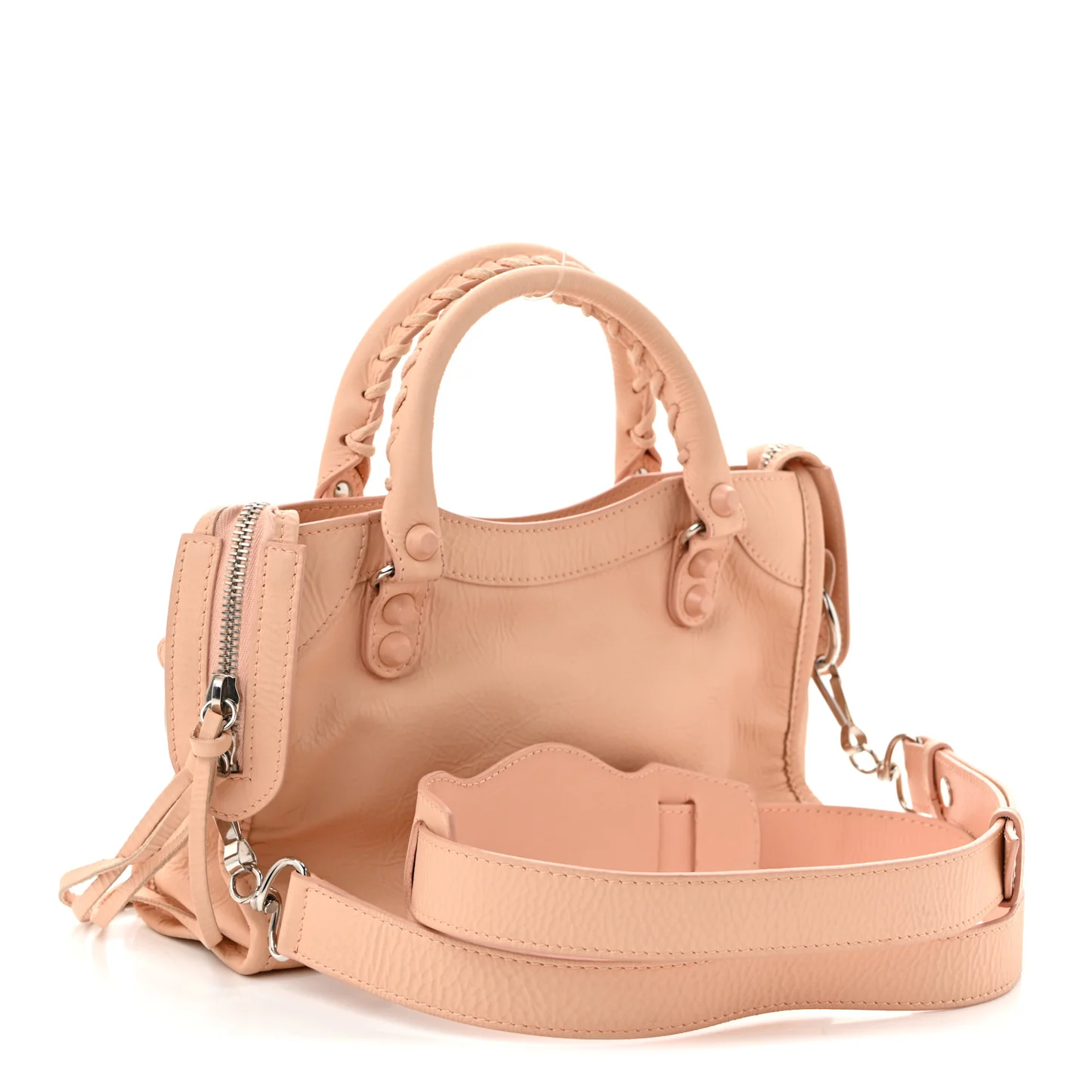
How it works: Vestiaire is a global peer-to-peer marketplace. Sellers list their own bags, and Vestiaire physically authenticates every item over €500 before it ships. Below that threshold, you can pay for authentication or skip it — which is where the risk lies.
Why it made the list: If you want something rare — a vintage Chanel, a discontinued Hermès colourway, an archival piece — Vestiaire has the widest catalogue. The peer-to-peer model means individual sellers, which brings more variety than a buy-outright platform can offer.
What buyers say: Vestiaire is best for global vintage and archival fashion with seller-set pricing. The watch-out is that direct shipping skips authentication on lower-value items, so always pay for authentication on anything expensive.
Fine print: Buyer protection fee of roughly 8–12% plus authentication fee if selected. Check the seller's rating and the specific return policy — peer-to-peer returns vary.
Good:
· Widest catalogue for rare and vintage pieces
· Authentication on items over €500
· Global seller network
Weigh up:
· Buyer fees add to the total
· Lower-value items may skip authentication unless you pay
How to buy a pre-owned designer bag safely
Check the authentication process. Buy-outright platforms (Fashionphile, Rebag) authenticate in-house. Peer-to-peer (Vestiaire) authenticates higher-value items automatically but may not on cheaper ones. Know which you're using.
Compare total cost, not list price. Vestiaire's buyer fee can add 8–12% to the price. Fashionphile and Rebag have no buyer fee but may price higher. Add shipping and tax before you decide which is cheaper.
Know the return policy before you pay. Pre-owned sales are often final. If you can't return it, you need to be certain of the condition and authenticity. On peer-to-peer sites, check the seller's rating as well as the platform's policy.
Who should skip these
If you want a brand-new bag with a full warranty, none of these is the right option — buy from the brand. If you're buying your first designer bag and don't know the model well, a buy-outright platform with tight grading (Rebag) is safer than a peer-to-peer marketplace. And if you're outside the US, check the import duties before you buy — a "cheap" bag can become expensive at customs.
Questions
Is Fashionphile trustworthy?
Fashionphile has in-house authentication and a Neiman Marcus partnership, which gives it more accountability than a standalone marketplace. It's trusted for authentication, though prices can exceed retail on high-demand items and support complaints recur.
What's the safest platform for a first pre-owned designer bag?
A buy-outright platform with tight grading, like Rebag or Fashionphile. Peer-to-peer marketplaces are better once you know the model and can assess condition yourself.
Do you pay customs on pre-owned designer bags?
Yes, in most countries. Check your local import threshold — a bag bought from a US platform and shipped to the UK may attract VAT and duties. Factor that into the total price.
Are pre-owned designer bags a good investment?
Some models hold value — Louis Vuitton's Speedy has seen resale values rise 16.2% year-on-year according to Fashionphile's data. But most bags depreciate. Buy because you want the bag, not because you expect a return.
Can you return a pre-owned designer bag?
It depends on the platform and the item. Buy-outright platforms have return windows on some items; peer-to-peer sales are often final. Check before you pay, not after.
The bottom line
If you want clear pricing and in-house authentication, choose Fashionphile. If you want tight condition grading and a more controlled experience, choose Rebag. And if you want something rare or vintage that the buy-outright platforms don't stock, Vestiaire Collective has the widest catalogue — just pay for authentication and check the total cost with fees.
Buy the seller, not just the bag. Authentication and returns matter more than a $50 difference in list price.